X
myLot
prasad1961
•
@prasad1961
(5597)
• India
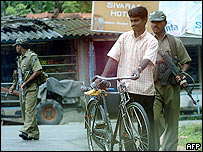
Rebel Activity - Known as 'Serendip' to Arab geographers, the island fell under Portuguese and Dutch influence and finally came under British rule when it was called Ceylon. Security levels have been raised since an upsurge in rebel activitiy There is a long-established Tamil minority in the north and east. The British also brought in Tamil labourers to work the coffee and tea plantations in the central highlands, making the island a major tea producer. But the majority Buddhist Sinhalese community resented what they saw as favouritism towards the mainly-Hindu Tamils under British administration. The growth of a more assertive Sinhala nationalism after independence fanned the flames of ethnic division until civil war erupted in the 1980s between Tamils pressing for self-rule and the government. Most of the fighting took place in the north. But the conflict also penetrated the heart of Sri Lankan society with Tamil Tiger rebels carrying out devastating suicide bombings in Colombo in the 1990s. The violence killed more than 60,000 people, damaged the economy and harmed tourism in one of South Asia's potentially prosperous societies. A ceasefire and a political agreement reached between the government and rebels in late 2002 raised hopes for a lasting settlement. But Norwegian-brokered peace talks have stalled and monitors have reported open violations of the truce by the government and Tamil Tiger rebels. Escalating violence between the two sides in 2006 killed hundreds of people and raised fears of a return to all-out war. There has been no meeting of minds over the rebels' demand for an independent Tamil homeland in the north and east. Sri Lanka suffered its worst disaster in late 2004 when giant waves generated by an undersea earthquake off Indonesia swept ashore, killing more than 30,000 people and devasting swathes of the coast.