X
myLot
prasad1961
•
@prasad1961
(5597)
• India
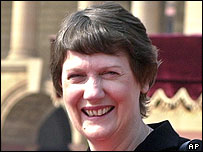
Helen Clark - New Zealand - Helen Clark's Labour Party secured a record third term in September 2005's closely-fought elections, winning 50 seats in parliament to the resurgent, conservative National Party's 48. Labour went on to form a coalition with the Progressive Party, which has one seat. The anti-immigration New Zealand First Party and centre-right United Future Party agreed to back her government in critical votes. Controversially, the leader of New Zealand First, Winston Peters, was named as foreign minister. He is not a member of the cabinet, which has to approve his key policy decisions. Ms Clark is a former political scientist who figured prominently in the Labour administration of the mid-1980s which ushered in free-market economics to New Zealand. In 1989, she became New Zealand's first woman deputy prime minister. Political commentators say Ms Clark worked hard on her image and presentation ahead of the 1999 general election that brought her to power. Her previous terms saw some groundbreaking measures, including a decision to legalise prostitution. Plans to nationalise the country's beaches and sea bed ignited a passionate debate about indigenous ancestral rights. Ms Clark's government opposed the invasion of Iraq in 2003, raising tensions with the US, one of New Zealand's main trading partners. Helen Clark was born into a farming family in 1950. As a teenager she protested against the Vietnam War and campaigned against foreign military bases in New Zealand. Ms Clark's interests include social policy and international affairs, and she enjoys opera, reading fiction, and trekking. New Zealand has a single-chamber parliament, the House of Representatives, which is elected for a three-year term. Coalition governments have been the norm since proportional representation replaced the'first past the post' electoral system in 1993.