

Ifasao Tribe
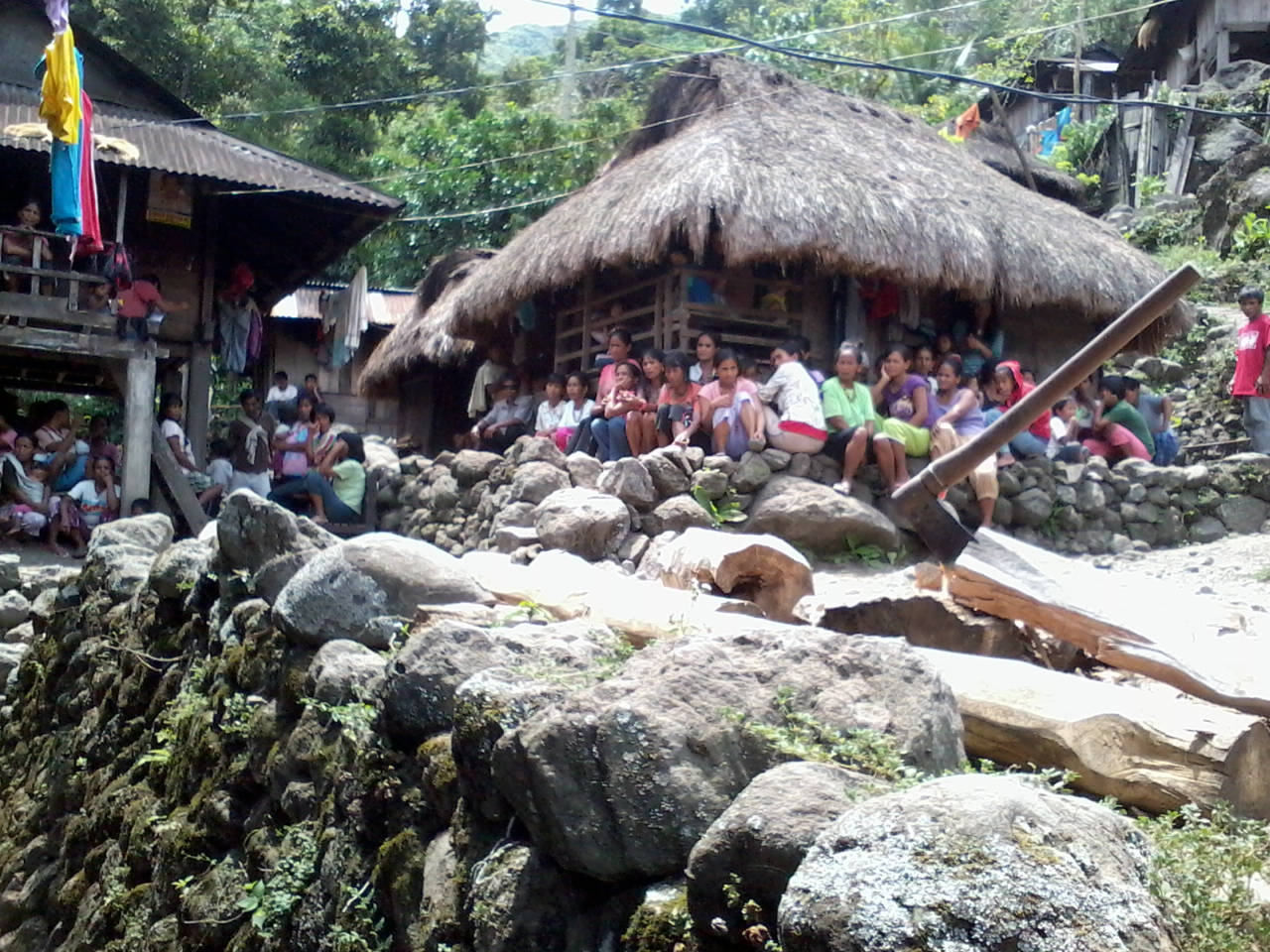

By Shavkat
@Shavkat (141906)
Philippines

February 12, 2016 2:29am CST
Basao is one of the original barangays in the Municipality of Tinglayan, Kalinga. It became independent as a barangay, in reference to Republic Act No. 3590: the Barrio Charter. The iBasao were practitioners of head hunting in defense of the community, land territory, life and resources. They engaged in “kayaw” or head hunting, adjacent to the other villages with their respective tribes in Kalinga. They wear G-strings, spears or “tubay” and shields or “kalasag” during tribal wars.
The iBasao is one of the five (5) sub-tribes within Tinglayan, Kalinga. It maintains and actively practices the indigenous system of tribal relations and diplomacy called “bodong” or Peace Pact. Barangay Basao has five (5) sitios, namely: Maswa, Chora, Challog, Pullig, Samang and Payyangnga.
Barangay Basao is bounded on the northwest: Barangay Ngibat and Butbut Proper, north: Barangay Luplupa, southwest: Barangay Bugnay and east: Barangay Dacalan and Tandudan. The great Chico River lies beside the mountain slope of Barangay Basao. Sitio Maswa is accessible along the national road from Tabuk via Bontoc and vice-versa, taking an hour trek through the foot pathway constructed by the AFP Engineering Brigade. Then, cross-over the hanging bridge to reach the mountain peak, the center of Barangay Basao.
The description of topographical area, it is characterized as rugged, undulating mountain terrain, combination of sloping to steep lands with an elevation ranging from 700-2000 meters above the sea level. The total land area approximately 4.500 hectares, 72.07% of the land area is covered with lush vegetation from the tropical mountain rainforest.
Barangay Basao is considered the most populated in the Municipality of Tinglayan, with a total number of 1,067. It is dominated by male of 577 and 490 female.
The “Ifasao” tribe performs unique cultural practices in the area, the “ontad” or the newly born child will be welcomed by butchering two (2) chickens: rooster and hen, in commemorating the birth of the child. On the 10th day, the family will butcher a pig and be attended by the whole community. A belief, that the pork meat must be consumed within the house of the host. However, if the child grows old and got sick; they need to perform the “so-ob” to commemorate the birth of a son that symbolizes manhood or warrior in the family, which will be attended by the whole villagers or tribes.
The major activities of the community for livelihood: farming, “kaingin” and hunting or handicrafts. They are well-known makers of soft brooms and handcrafted belts out of rattan. They are engaged in farming and “kaingin” in two cropping seasons and traditionally, the rice fields are acquired through inheritance from their ancestors.
The croplands are subdivided into irrigated rice production, particularly in flat or plain areas on the man-made terraces along the mountain slopes. The coffees, legumes, and rice are planted in rolling or hilly portions of the forest which is delineated by the tribes, the forest buffer zone.
The “Bodong” or Peace Pact System is an important element of the different barangays in Tinglayan, Kalinga. The intervention in settling conflicts among the tribes or villages in a peaceful harmonious way. They have also the “Bodong Holder”, which holds the peace and order between two tribes or villages. The principle of bodong system: drinking water, coffee or eat with the people at their homes, you are considered member of the family or tribe. Thus, they will respect and protect you.
Photo Credit: Shavkat
1 person likes this
2 responses

@JudyEv (381760)
• Rockingham, Australia
21 Feb 16
This is a very interesting post. When we were staying with a Karen tribe in Thailand the houses have rooves like those in your photo - some iron and others thatched.

