

Interesting things about Money

@shivamani10 (11035)
Hyderabad, India

April 11, 2016 7:43pm CST
Money is the more convenient way of exchange than the Barter system. The Civilized nations used metal coins and paper currency as money which is a guarantee given by a Bank or Government. These are some of the interesting things associated with Money;
The BANK OF ENGLAND
When we talk about the Bank of England, which was established in 1694, we should not forget that the oldest bank that was established in the modern times was the Riksbank which was established in 1668 in Sweden. It is totally independent and is answerable only to the Parliament. The Bank of England which was found in 1694. It was the only bank which was allowed to do business in England. It conducted its activities as a profit making concern for its proprietors. It acts, however, managing the National Debt, paying interest on it, issuing loans and so on. Ever since, 1780 when there was a danger of the Bank being attacked during the Gordon Riots, it has been furnished every night with a military guard, supplied by the battalion of Foot Guards on duty.
FLORIN
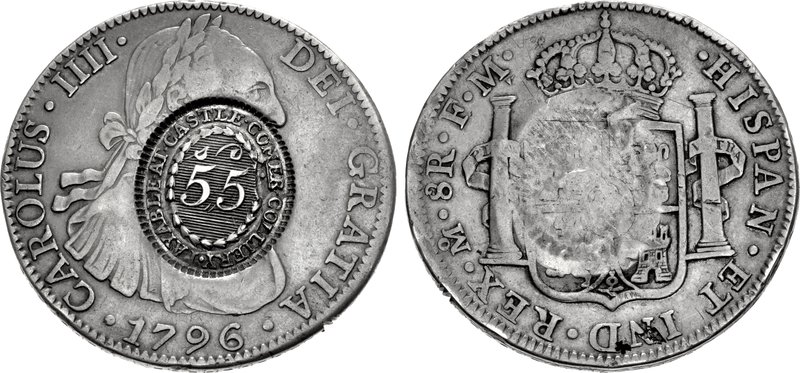
The word derived from the Italian 'florina', meaning ‘a little flower’ and was first applied to a very beautiful Florentine coin of the twelfth century, stamped with the city’s emblem a lily. The name spread to coins of other countries, including England, where a gold florin was minted in the reign of Edward the Third . This is a shilling piece (Florin) was issued in 1849.
LITTLE GROOVES ON THE EDGE OF A SHILLING
This is called ‘milling or ‘fluting’. The milling or fluting of the edges of gold and silver coins was adopted to prevent slipping or filing them away to get precious metal, for such treatment would be detected at once and render the coin ‘bad’. The three penny piece is not milled because originally it was like the silver 4d, 2d, and 1d.
THE WORDS ‘POSTAGE’ AND ‘REVENUE’ ON POSTAGE STAMP
Have you ever noticed the words ‘Revenue and ‘Postage’ on postage stamps? Why they are so and what they indicate? The words ‘postage’ and ‘Revenue’ on the postage stamp, show that they may legally be used either for paying postage on letters or parcels or for revenue purposes, such as stamping a receipt or agreement. This provision does away with the need for issuing two separate series of stamps.
No responses
