

Heraldry Study -- Learning The Shield Colours

@arthurchappell (44941)
Preston, England

January 12, 2018 5:57am CST
In America, the term ‘Right to bear arms’ has come to refer to the right carry licensed fire-arms and other weaponry in public or have them in the home. In Britain, the phrase refers to the right and entitlement to have armorial family coats-of-arms, and heraldic regalia relating to personalized, familial, inherited or city and nation related heraldry.
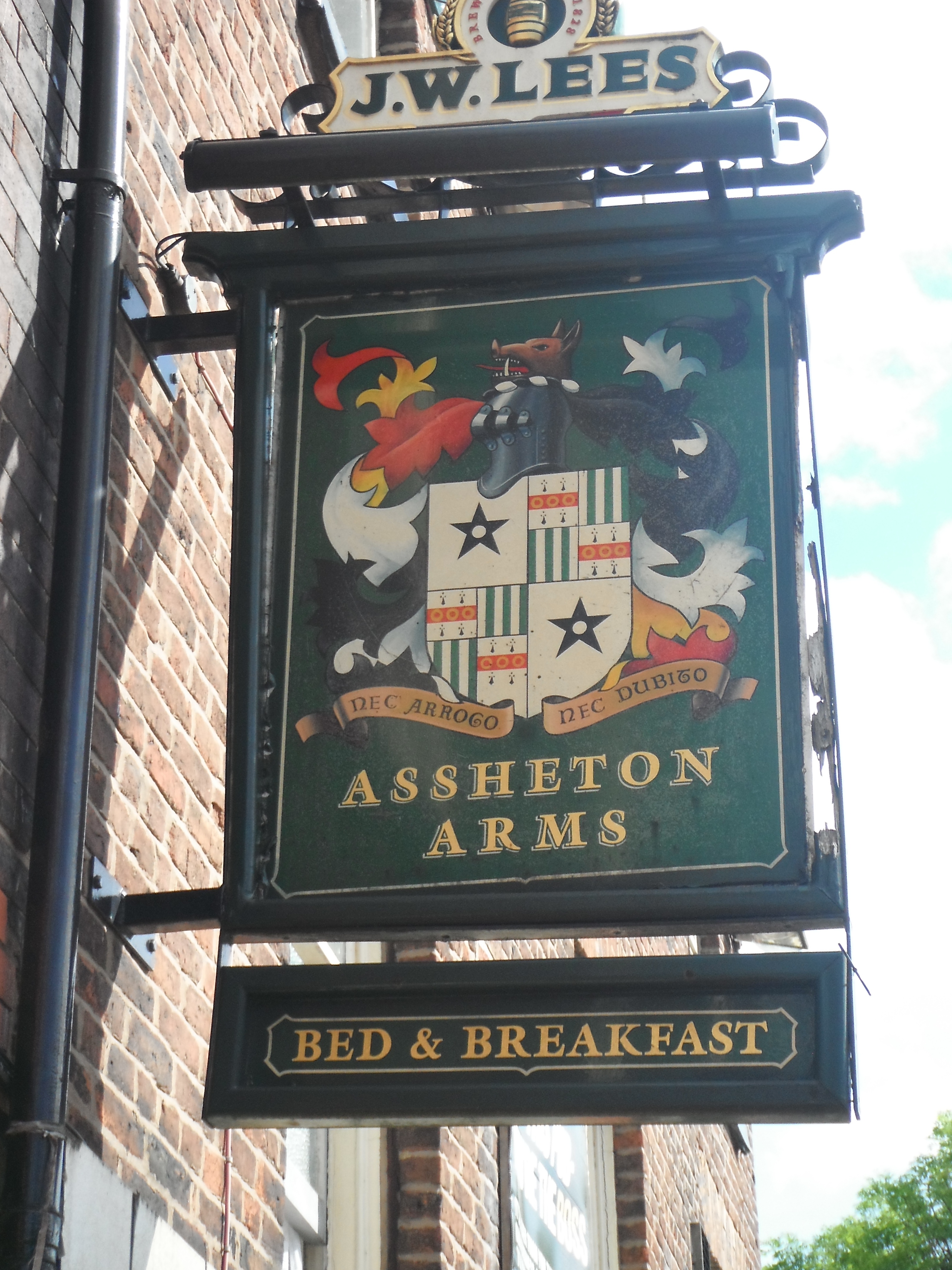
Heraldic entitlements centre on the Escutcheon, or shield, relating at one time to the actual shields a soldier or knight required in combat and military training. Around this there may be many additional elements and add-ons, a crest, usually feathered, a torse, or wreath scroll, that links a crest to the shield, a battle cry slogan that arches over the crest, mantling, a cloth drape to surround the top half of the shield, crest, etc.
To the Dexter side (right) and Sinister (left) hand side, may stand the supporters, the best known being the lion and unicorn, and the base may carry the personal or family motto (often in Latin).
Without the shield, all the additions are worthless, but it is possible to own or bear jut the shield itself. The whole collection of heraldic materials one has or which one is entitled to own is known collectively as The Achievement.
The Shield can be any shape or size as different types were used in different ages and combat situations.
You cannot use just any colour you like for a Shield design. There are only seven used in British heraldry, usually given in their Latin names. Azure (blue), Gules (red), Purpore (purple), Gold (Or), for which yellow is usually an acceptable substitute, Argent (silver, often presented as white) and Vert (green).
Germanic heraldic shields sometimes add brown, and the French had flesh coloured Carnation (pink) elements but other direct colours are not used. There have been occasional British experiments with maroons (Murray) and Tawny (orange-brown) but these have generally fallen out of favour.
The only area of exception is ‘Proper’ where it is acceptable to depict animal or flowers in realistic, actual colouration, rather than as mythicized heraldic beasts.
This sums up my learning so far.
Arthur Chappell
8 people like this
8 responses

@Poppylicious (11134)
• United Kingdom
12 Jan 18
So did the original American constitution meaning suggest that American's should really be bearing their shields rather than their weapons?
This is interesting stuff. :)
1 person likes this
@arthurchappell (44941)
• Preston, England
12 Jan 18
@Poppylicious no I think the American were thinking of weapons from the outset - the early settlers were not often the gentry or aristocrasy who would have been keener on heraldry
1 person likes this
@Poppylicious (11134)
• United Kingdom
12 Jan 18
@arthurchappell That makes sense.
1 person likes this

@arthurchappell (44941)
• Preston, England
12 Jan 18
@JudyEv yes it has it own weird and wonderful language
1 person likes this

@arthurchappell (44941)
• Preston, England
12 Jan 18
@Madshadi towns and cities have them, trade guilds, political parties, and royal families. Here is a short film on the creation of a new Shield for Kate Middleton and her family, in preparation for her wedding to Prince William

For more videos on the Royal Wedding: http://tinyurl.com/3cqo5by Garter Principal King of Arms Thomas Woodcock explains the details behind the design of the ...
1 person likes this


@arthurchappell (44941)
• Preston, England
12 Jan 18
@Plethos the basic component parts can be used in many different shields - what can be used or not comes down to life experience and actual things done and achieved - that in itself makes each heraldic shield unique but copying designs would result in fines
1 person likes this

@JohnRoberts (109841)
• Los Angeles, California
12 Jan 18
That is a bold and vivid shield.
1 person likes this
@arthurchappell (44941)
• Preston, England
12 Jan 18
@JohnRoberts A military family who fought at many major battles from Flodden to the English Civil War
1 person likes this


