

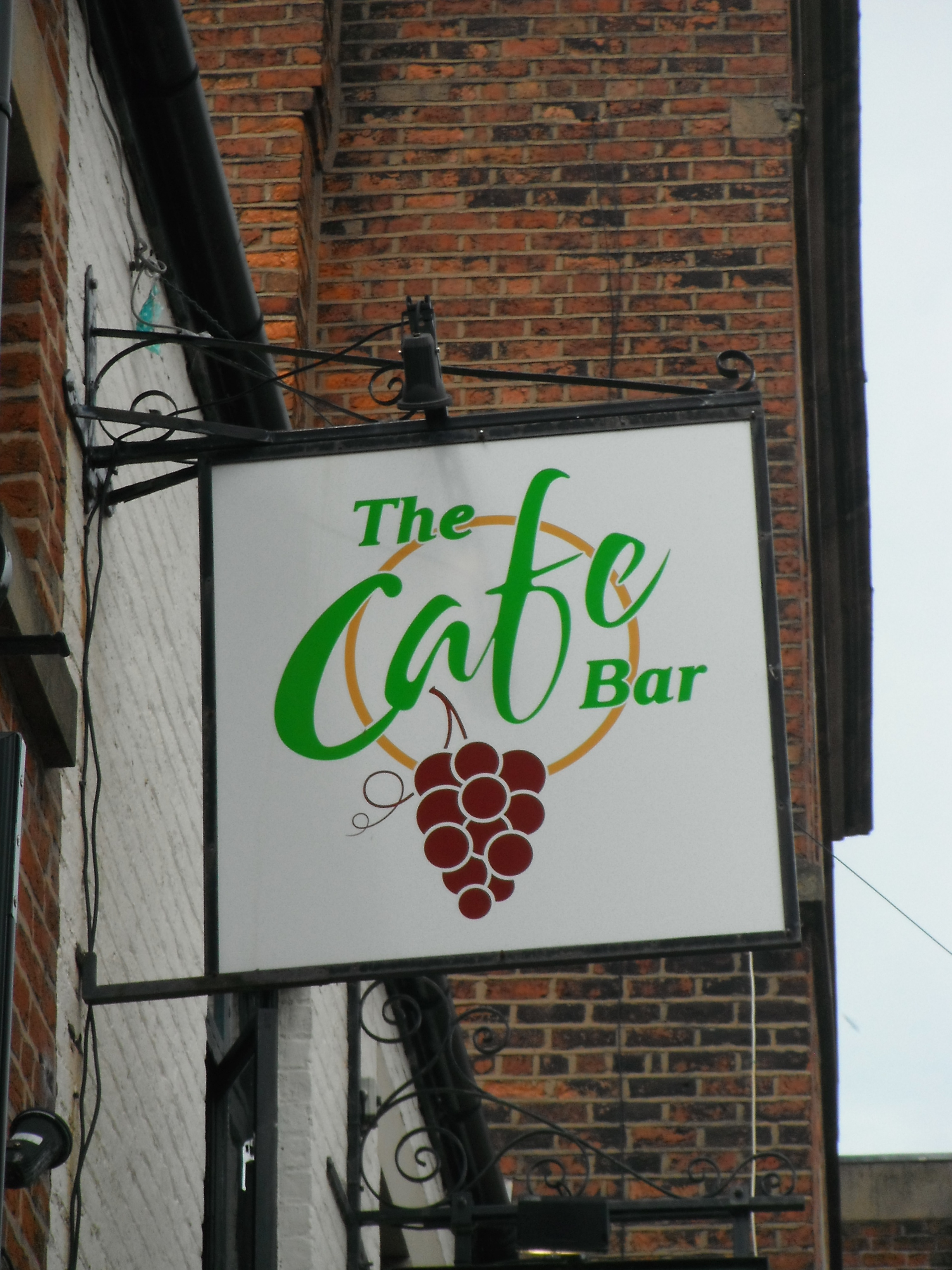
The Café Bar Is Just A Pub

@arthurchappell (44941)
Preston, England

July 31, 2018 11:48am CST
Many bars in the UK regard themselves as Café Bars but they are just pubs trying to be trendy and non-traditional boozers. With so many pub closures (as many as three a day) it is time for Café Bars to come out of the closet and admit that they are just pubs.
Not all cafes are pubs of course. The word Café is derived from coffee and short for cafeteria. It means a place to buy and drink coffee.
The first coffee houses appeared in the Near East as late as the mid-15th century, and it was the Sufis who first discovered how to roast coffee beans. Coffee shops grew through Yemen and into Turkey quickly, and the Europeans caught on to the new sensation in the 17th century. Much colonialism, slavery and conflict would come from the struggle to secure coffee plantation land.
The first coffee houses opened in Britain in the post-Civil War period, about the time when Cromwell’s brief Republican Puritan government was trying unsuccessfully to close the inns and taverns. By 1675, way into the Restoration period, there were over 3,000 coffee houses in Britain. The first one in the US opened in 1676.
The coffee houses were popular meeting and business planning places, as you could drink coffee and stay sober all day. Encyclopaedias were written in coffee house reading rooms. In France, the Enlightenment engineers, like Voltaire and Rousseau met and developed their ideas.
By the 19th century, when women were starting to be allowed into the men only coffee house establishments, coffee houses were heavily promoted by the teetotal Temperance campaigners. They were a direct opposition movement to the pubs.
Some coffee houses served cakes, teas and other light foods as well as coffee itself, and some found the light food provision was outselling the coffee. The café was emerging, a place to eat quick low cost food, an opposed to having an expensive restaurant three to five course feast. With a growing workforce, especially in transportation business, the drop in cafes became increasingly important.
Cafes were severing the coffee house roots. Food could often be very basic. It was prepared by cooks rather than chefs. Food was warmed up, sandwiches were easy to make, and even tinned foods could be used. Such cafes were a place for a quick bite to eat during lunch breaks or a relaxing break during long journeys.
Such cafes were popular but often regarded a vulgar and working class. A common label for the café is ‘greasy spoon’. Coffee was often just served from the jar, or even in instant granular just add water form, and tea might be served in a tea-bag.
In Europe, coffee houses would sell wine and beers as well as coffees. Some would even become fully driven alcohol bars in the evenings.
In the 1980’s and 1990’s Europe was bombarded by the big chain coffee-bars, such as Café Nero and Starbucks, following the fast food franchise pattern of the popular burger bar like MacDonald’s. Before the mid-1980’s asking for a coffee in a shop-cafe would just get you a cup of hot water with coffee grains spooned in, stirred and all the milk and sugar desired.
Suddenly there were lattes, frappes, cappuccinos, and all manner of variations and choosing a coffee could be quite a complex menu choosing process. They’d been around since the 1950’s but such fancy coffees took over by the end of the 20th century.
The European Café Bar model involved outdoor seating as well as indoor seating, communal bench seating, and a wide ranging menu offering tapas, a variety of salads, Mexican burritos and much more.
In the late 1980’s continental style café bars were opening in the UK. Many began by catering as internet or cyber-cafes, enabling student and tourists to access e-mail and websites, offering food and drink too, including alcohol. Broadband changes have now introduced free wi-fi to most public buildings, while mobile phones can access the internet too, and cyber-cafes are now rare.
Café Bars began to catch on for offering a more diverse menu and drinks range to those of many traditional pubs. Cask ales, experimental microbrewery craft-beers, imported Belgian beers, cocktails and alcopops were on offer. The food menus were often very diverse too, ranging from home made pizza, to curries from around the World. Café bars were often offering a wide range of vegan and vegetarian cuisines too.
Another factor in the café bar success was that in often taking residence in new or purpose modified properties, café bars had better disabled access than many pubs, though I have seen café bars with lots of steps and in one case a rickety cast iron spiral staircase, resembling an indoor fire escape.
Café Bars avoid the use of traditional pub signs, preferring abstract modern art logos and lettering.
Faced with the café bar challenge, pubs quickly adapted, adjusting their food menus away from the traditional pie chips and peas, sausage buttie and roast beef on Sundays menus. Pubs quickly started buying in the new drinks that were all the rage and aside from the signage pubs and café bars are now often impossible to tell apart. Many café bars get mentioned in good (and bad) beer review guides, in print and online. Pubs and café bars are hit by the smoking bans, accusations of promoting binge drinking, and the high rates charged for town centre properties. The beer tax also hits both.
Ordering a coffee in the pub a few decades ago would have got you laughed at but now many pubs have expresso machines and a wide range of low and zero alcohol drink options.
With pub closure threatening any bar with low trade, it is time for café bars to admit that they are now just pubs, not trendy alternatives to pubs. They keep similar extended hours, their owners apply for drinks and entertainment licences in the same way, some café bars are brewery-tied while others are free houses (not chained to specific brewery companies).
The Café bar is a pub, and equally at risk from pub closures. It is time for café bars to get real pub signs, and show solidarity with more traditional pubs before the thirsty customer finds fewer of both.
Arthur Chappell
7 people like this
4 responses

@Courage7 (19626)
• United States
31 Jul 18
I had read about all the pub closures and getting worse. I am so sorry to hear this too.
A pub is such a treasure and there is nothing like that here, I dont care how much they try, they cannot duplicate pubs. You have written an excellent piece here Arthur thanks.
Yes Cafe Bars..what a laugh haha.
I know that some of the cafes in France are still all men or coffehouses rather..men only.
1 person likes this
@arthurchappell (44941)
• Preston, England
31 Jul 18
@Courage7 some cafe bars are very nice. They are still just pubs though
1 person likes this
@arthurchappell (44941)
• Preston, England
1 Aug 18
@Courage7 it is just a pretentious snobbery factor
1 person likes this
@Courage7 (19626)
• United States
31 Jul 18
@arthurchappell Yes they are with a fancy name haha
1 person likes this


@Poppylicious (11134)
• United Kingdom
1 Aug 18
I genuinely don't know of any café bars in my neck of the woods.
1 person likes this
@arthurchappell (44941)
• Preston, England
1 Aug 18
@Poppylicious if you live near a large town or city the chances are the answer is yes


@arthurchappell (44941)
• Preston, England
31 Jul 18
@Kandae11 yes the Parisian cafe bar scene is much healthier than that in the UK
1 person likes this
