X
myLot
simplythanga
•
@simplythanga
(872)
• United States
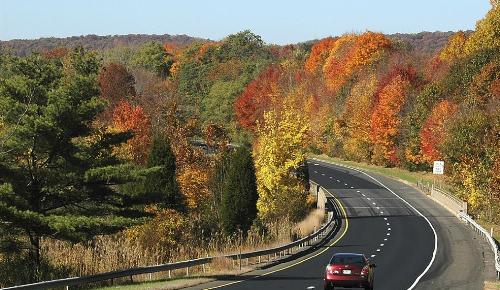
Fall in CT - What does all this do for the tree? Winter is a certainty that all vegetation in the temperate zones must face each year. Perennial plants, including trees, must have some sort of protection to survive freezing temperatures and other harsh wintertime influences. Stems, twigs, and buds are equipped to survive extreme cold so that they can reawaken when spring heralds the start of another growing season. Tender leaf tissues, however, would freeze in winter, so plants must either toughen up and protect their leaves or dispose of them. The evergreens-pines, spruces, cedars, firs, and so on-are able to survive winter because they have toughened up. Their needle-like or scale-like foliage is covered with a heavy wax coating and the fluid inside their cells contains substances that resist freezing. Thus the foliage of evergreens can safely withstand all but the severest winter conditions, such as those in the Arctic. Evergreen needles survive for some years but eventually fall because of old age. The leaves of broadleaved plants, on the other hand, are tender and vulnerable to damage. These leaves are typically broad and thin and are not protected by any thick coverings. The fluid in cells of these leaves is usually a thin, watery sap that freezes readily. This means that the cells could not survive winter where temperatures fall below freezing. Tissues unable to overwinter must be sealed off and shed to ensure the plant's continued survival. Thus leaf fall precedes each winter in the temperate zones.