X
myLot
risk_taker20
•
@risk_taker20
(2096)
• Philippines
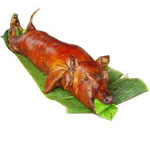
Lechon - Lechón (Tagalog: Litson) Is the Spanish word for suckling pig. In the Philippines it is connoted with a roasted whole pig, lechón baboy. Chicken and beef, are also popular. The process of lechón involves the whole pig/piglet, chicken, or cattle/calf to be slowly roasted over charcoal. Similar in method to Chinese Peking duck, Balinese Guling celeng, or Western suckling pig, this day-long and arduous method of roasting leaves a crispy skin and very moist meat inside. Lechón is often cooked during national festivities (known as Barrio Fiestas), the holiday season, and other special occasions such as weddings, graduations, birthdays and baptismals, or family get-togethers. The lechón is usually the highlight and the most popular dish of these events. It is usually served with a liver-based sauce. However, in some cases, it may be served Chinese style with steamed buns and a sweet plum sauce. Another version of lechón, called kawali, involves boiling then frying pieces of pork. Leftover Lechon in the Philippines becomes easily recycled into another pallatable dish, called Paksiw na Lechon. Lechón was originally introduced to the Philippines as a part of Spanish cuisine and can be found in many Hispanic countries. Leche means milk in Spanish and lechón originally meant suckling piglet. Other historical evidence traces the origin of lechón to Chinese immigrants. Source: Wikipedia