

Companion Planting

@belindayhughes (1096)
United States

February 25, 2013 3:00am CST
I'm a newcomer to companion planting, but I am absolutely thrilled to have discovered it. Companion planting is the process of placing plants near each other that offer nutritional, pest and disease control properties. For instance, I found out that nasturtiums and catnip protect peas and beans from pests. Catnip also repels ants. Marigolds protect your garden against most of the usual suspects, thanks to their naturally produced pyrethrins. Onions and garlic contain allicins, which repel some garden pest animals and insects. Basil keeps the dreaded fatm green, tomato hornworm at bay. Certain trees like clover at their feet. This, of course, brings bees around for pollination, which insures a better harvest of fruit or nuts. As my blossoms dried up last year, I took the opportunity to reseed my garden for free with marigolds, catnip and basil. When I saw seed garlic cloves and onion sets at my local discount store, I got a bag of each and sowed them quickly. Now my garden is loaded with protective companion plants ready for the fruits and vegetables to be kept secure.
2 responses

@allknowing (153529)
• India
25 Feb 13
That is some information you have provided. It will definitely help garden lovers. My concern however would be about suitability seasonwise. Just a thought.
1 person likes this
@belindayhughes (1096)
• United States
25 Feb 13
Heya all. Seasonal suitability has been a non-issue in my garden thus far with companion planting. Whatever goes to seed (marigolds, basil and catnip blossoms), I redistribute. Whatever makes it through the winter (catnip) gets bigger and bushier. My catnip already produced a daughter plant, which I will be moving to the other raised bed to address a current ant problem. The plants that are protected by companion plants (peas, beans, tomatoes, peppers, eggplant, potatoes, sweet potatoes) come and go. I either start new ones from seed or buy seedling plants. But the more I practice companion planting, the more impressed I am by its simplicity and results.
@allknowing (153529)
• India
26 Feb 13
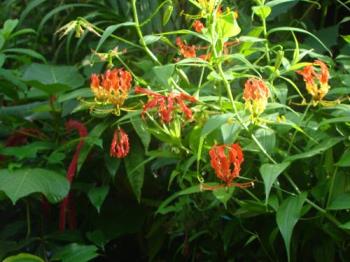
You have indeed done a thorough study on this utterly interesting subject.I have not felt the need to protect my plants from pests so far. There is just one (blanket worm) that infests at times when I throw some wood ash over my plants and that takes care of my whole garden. It is a particular plant that attracts these pests. Image attached.
1 person likes this
@belindayhughes (1096)
• United States
26 Feb 13
That's a gorgeous plant, all. I've never heard of nor seen it before. Wish I had some idea about companion plants (since that's the topic of this discussion) for it, but I'm clueless at the moment. Glad to know the wood ash is working.

@wolfie34 (26770)
• United Kingdom
25 Feb 13
We usually use slug pellets around our vegetables, and I have heard about marigolds, but not the other handy tips, I didn't realize it had a name, companion planting, sounds kinda catchy doesn't it. Not alternative plant, but we do put miniature windmills beside the crops we grow, apparently it puts off the birds from pecking the seeds and young plants, it has the desired affect.
1 person likes this
@belindayhughes (1096)
• United States
26 Feb 13
Heya wolfs! It may not be a companion plant, but I thank you very much for the windmill tip! I have seen ornamental windmills in front yards in my area, with purple martin houses to handle the mozquitos. But I never knew the windmills had an anti-bird function. It makes perfect sense, since I use my great grandmother's trick of aluminum pie plates tied to my fruit tree branches for the same purpose. Again, it may not be companion planting, but it surely is beneficial and it does meet the ground at some point.
