

The role of flowers in Hinduism

@shivamani10 (11035)
Hyderabad, India

May 10, 2016 8:26am CST
Flowers are the manifestations of one's spiritual and worldly ambitions in life.
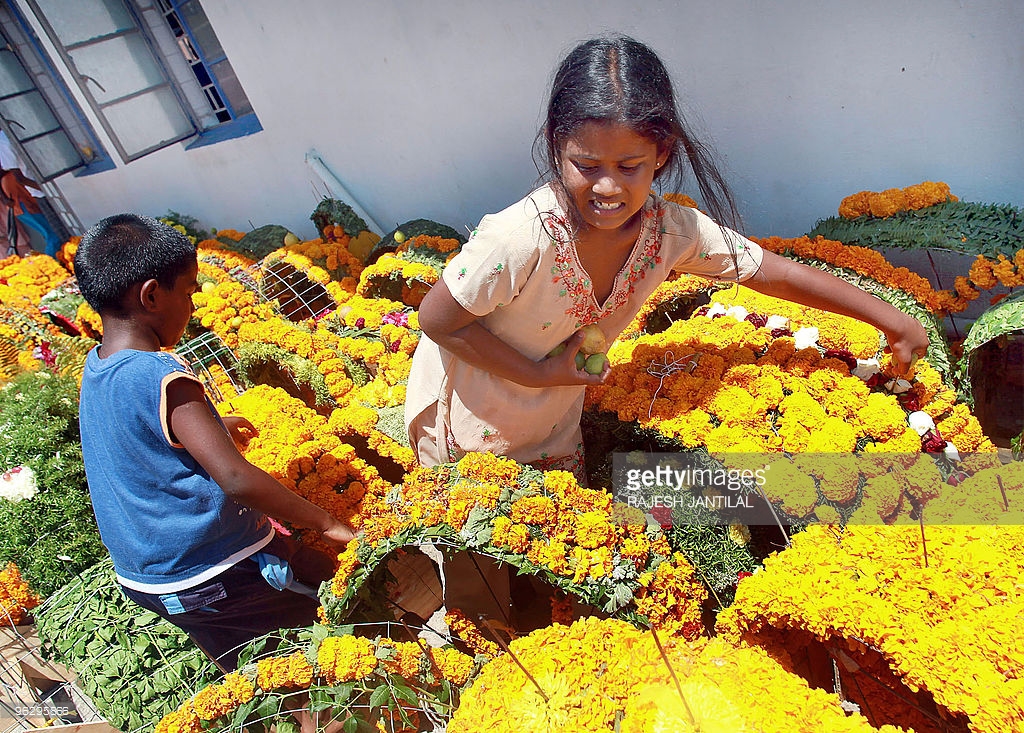
There are many deities in Hinduism. As many are the number of deities so are the number and varieties of flowers each associated with each deity. The deities are favorites of specific varieties of flowers. Further, each flower is associated with a particular deity. Quite interesting to note is that there are flowers categorized into Satva, Rajas and Tamo While Sattva and Rajas are offered to the Gods in general, the 'Tamo' variety are offered on special occasions and during festivities.
What type of flowers are offered to Gods is clearly described in Hindu scriptures.
Flowers having strong smell are not offered,
Flowers which are mutilated are not offered,
Flowers having mild and light smell and having full blossom are fit to be offered. The flowers brought from remote areas and forests and Gardens are best considered for prayer.
For Lord Shiva, the China Rose is offered.
For Lord Vishnu, any flower white in color is offered
Hibiscus / Mandara is offered for Maa Kaali
The flower Lotus is used for Durga and Kali Puja
The planet Saturn is worshiped on Saturdays with flowers in Blue color.
At the same time, it should be kept in mind that certain flowers are not offered to particular Gods even by mistake or oversight;
Lord Shiva - Ketaki
Goddess Parvati- Arka
Sun God - Bilva
Lord Ganesha - Tulsi
A foreign tourist will definitely take delight in appreciating the classification and offerings once he enters inside a Hindu Temple. But, what actually embarrasses him is the favoritism of the Gods towards a particular class and category of flowers which he may not follow easily without participating in any discussion or without glancing through the religious texts.
2 people like this
2 responses


