

What is your view on Blackstone's Ratio?

By John Welford
@indexer (4852)
Leicester, England

November 28, 2018 3:48am CST
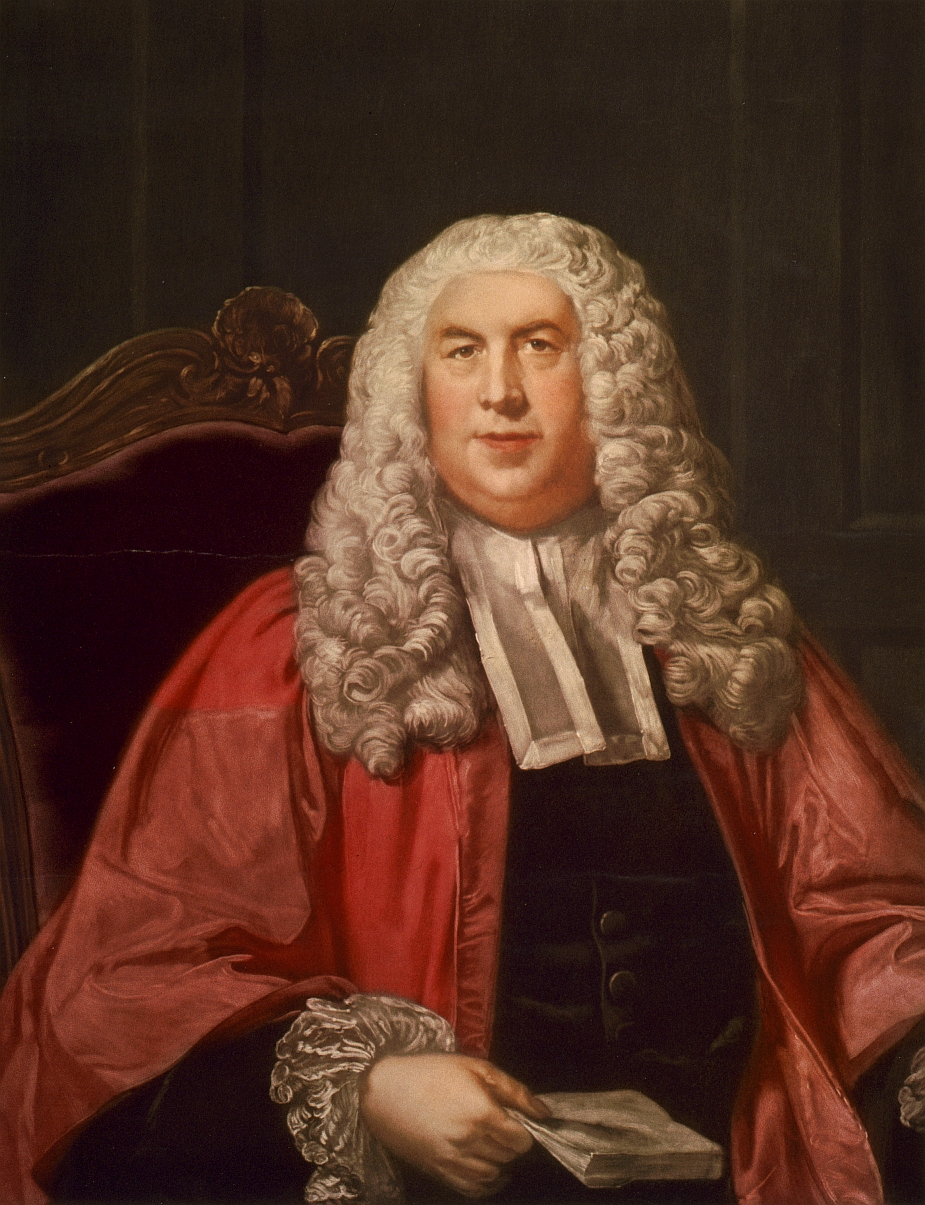
William Blackstone was an 18th century English judge who wrote a famous legal tome entitled "Commentaries on the Laws of England". One of the principles he proposed in this book is known in legal circles as "Blackstone's Ratio" and can be summarized as saying that it is better that ten guilty persons go free than that one innocent person is wrongly convicted.
This principle is behind the extreme care that is taken in British courts to ensures that verdicts are only reached after the accused person has had every chance to defend themselves and the jury is convinced that the balance of probability in their decision leanss firmly towards a guilty verdict.
Doubt should always favour the defence case, not that of the prosecution.
But this sometimes leads to controversy, as it has done recently over the case of Sir Cliff Richard, who had a glittering career as a singer over several decades but was accused in 2014 of being a sexual predator. This was big news at the time, although no evidence was ever brought that confirmed the allegations. The case did, however, tarnish Sir Cliff's reputation for a time.
He has now quoted Blackstone's Ratio to say that cases like his - where evidence is sketchy and police investigations become extremely intrusive into private lives as they desperately seek evidence that almost certainly isn't there - should be dropped at an early stage, even at the risk of allowing genuine predators to escape justice.
What do you think? I cannot help wondering whether Sir Cliff is wrongly claiming protection from Blackstone's Ratio, which seems to have more to do with cases after they reach court than during police investigations. But do you agree that such investigations into past sexual misconduct should be limited anyway?
And what about the general principle - is protection of the innocent ten times more important than conviction of the guilty?
No responses
