

How empty is Space?

By John Welford
@indexer (4852)
Leicester, England

December 3, 2018 3:52am CST
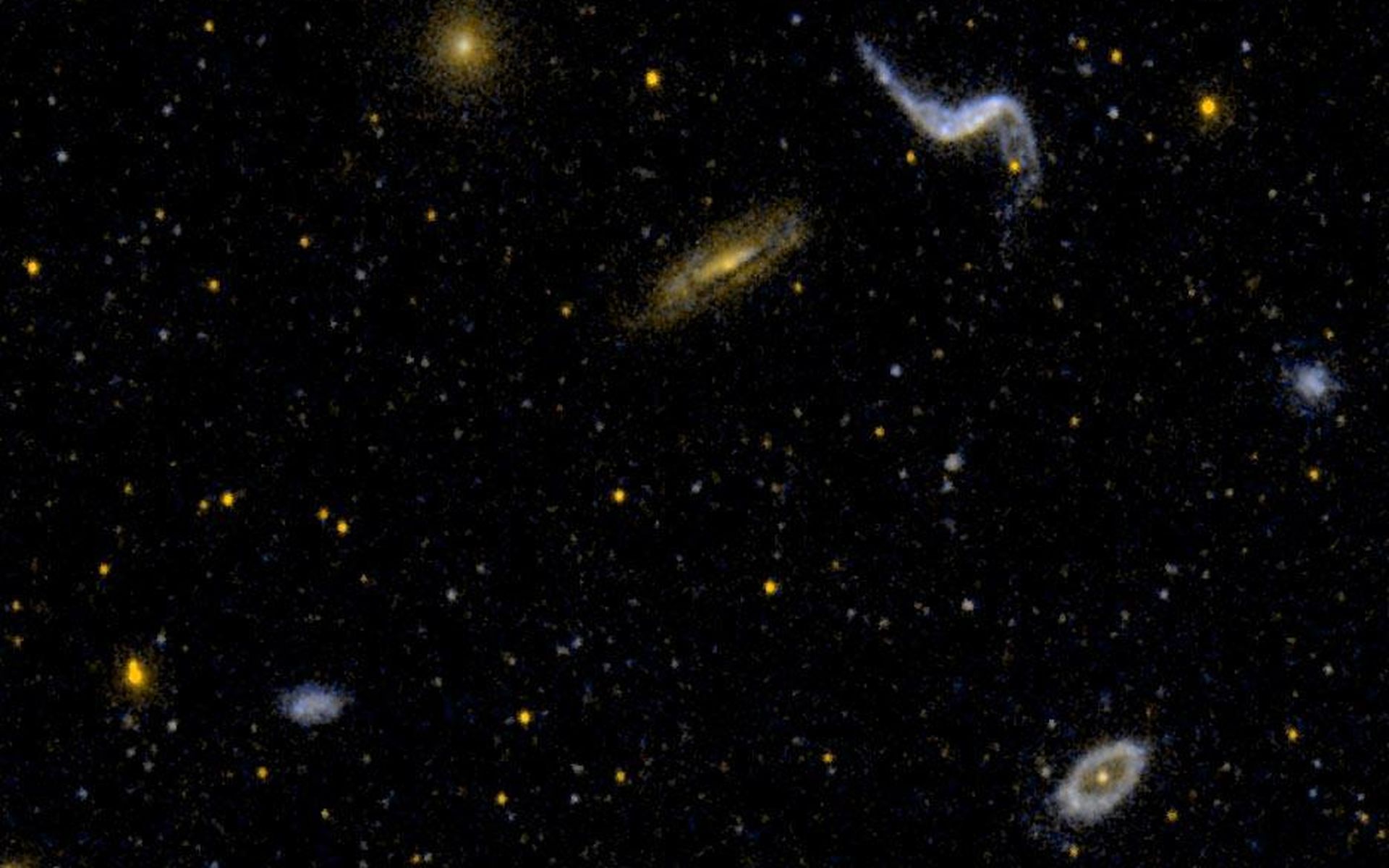
A vacuum is defined as a space that contains absolutely nothing, and it is often thought that the space between the stars and galaxies constitutes a perfect vacuum.
However, this is not necessarily so. Within every cubic kilometre of space there will be at least a few atoms of dust and gas.
It has been discovered that interstellar space (i.e. the space between our solar system and neighbouring stars) contains atoms of hydrogen and helium as well as small amounts of dust. The proportion of these is 90% hydrogen, 9% helium and 1% dust.
The dust comprises silicates (compounds of silicon and oxygen), carbon and iron.
Intergalactic space contains minute amounts of ionized hydrogen, by which is meant hydrogen nuclei from which their electrons (one per atom) have been stripped away.
So space is not empty – just very nearly so!
2 people like this
1 response

@ThreeTeddies (2038)
• United Kingdom
2 Jan 19
It's surprising what you can learn from reading a book or watching certain programmes on TV
2 people like this
