

Where Did Centaur Myths Originate, What Were They Based On?

By J.N.R Dutton
@jnrdutton (3452)
United States

July 18, 2019 10:21am CST
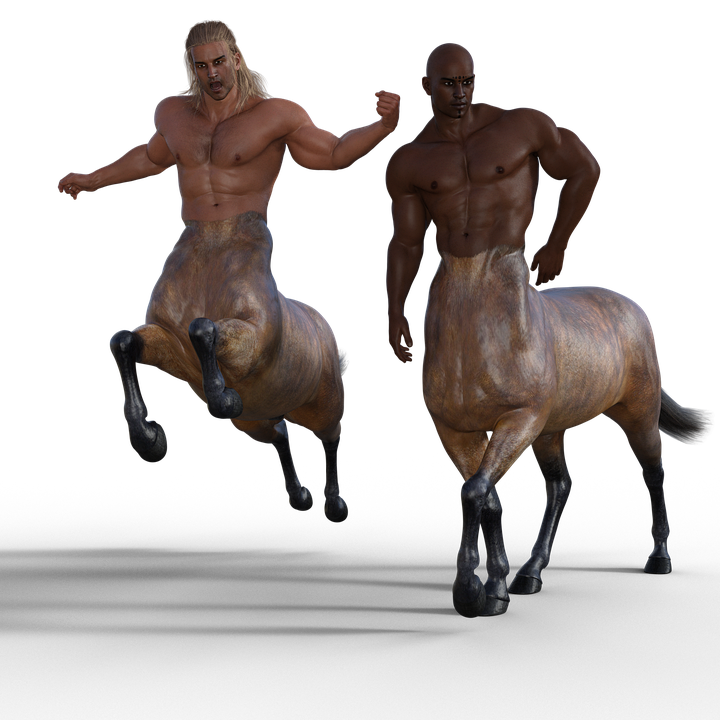
I have had a life long fascination w/mythology, and a lot of myths are rooted somewhere in fact. One thing I have always been interested to know, is where the centaur myth originated.
We know that half horse/half human creatures didn't actually exist. So, was the myth just invented by ancient bards for entertainment or where they based on some kind of ancient animal?
Any of my readers ever wondered this yourselves?
2 people like this
2 responses

@owlwings (43897)
• Cambridge, England
18 Jul 19
I believe that the idea of the centaur arose from people, who, perhaps, didn't use horses, seeing men who were excellent horsemen and who seemed one with their horse. You can imagine someone who had had this experience trying to tell what he had seen to his people. If you had never seen someone riding a horse, it would be quite an astonishing sight.
You have to remember that early people in Europe, most of which was forested, probably only hunted the horse for meat and never thought of riding it. The horse is at its best and most useful in wide grass plains, such as are found in Mongolia, and that is where it was probably first domesticated and used for riding. If a tribe of such people came to Europe, one of the first places they would come to would be northern Greece.
In Greek mythology, the race of centaurs were supposed to live in Thessaly, a region in Northern Greece. Several sources say that the word came from the name - kentauros for a real tribe of expert horsemen. Most etymologists say that the name is 'of unknown origin' but at least one suggests that the name may mean 'bull-killer'.
@jnrdutton (3452)
• United States
18 Jul 19
@owlwings thank you for your response and the site link
1 person likes this

@marguicha (230350)
• Chile
18 Jul 19
I have love mythology since my earliest childhood. But I have mostly accepted myths without asking about the real thing about them.
