

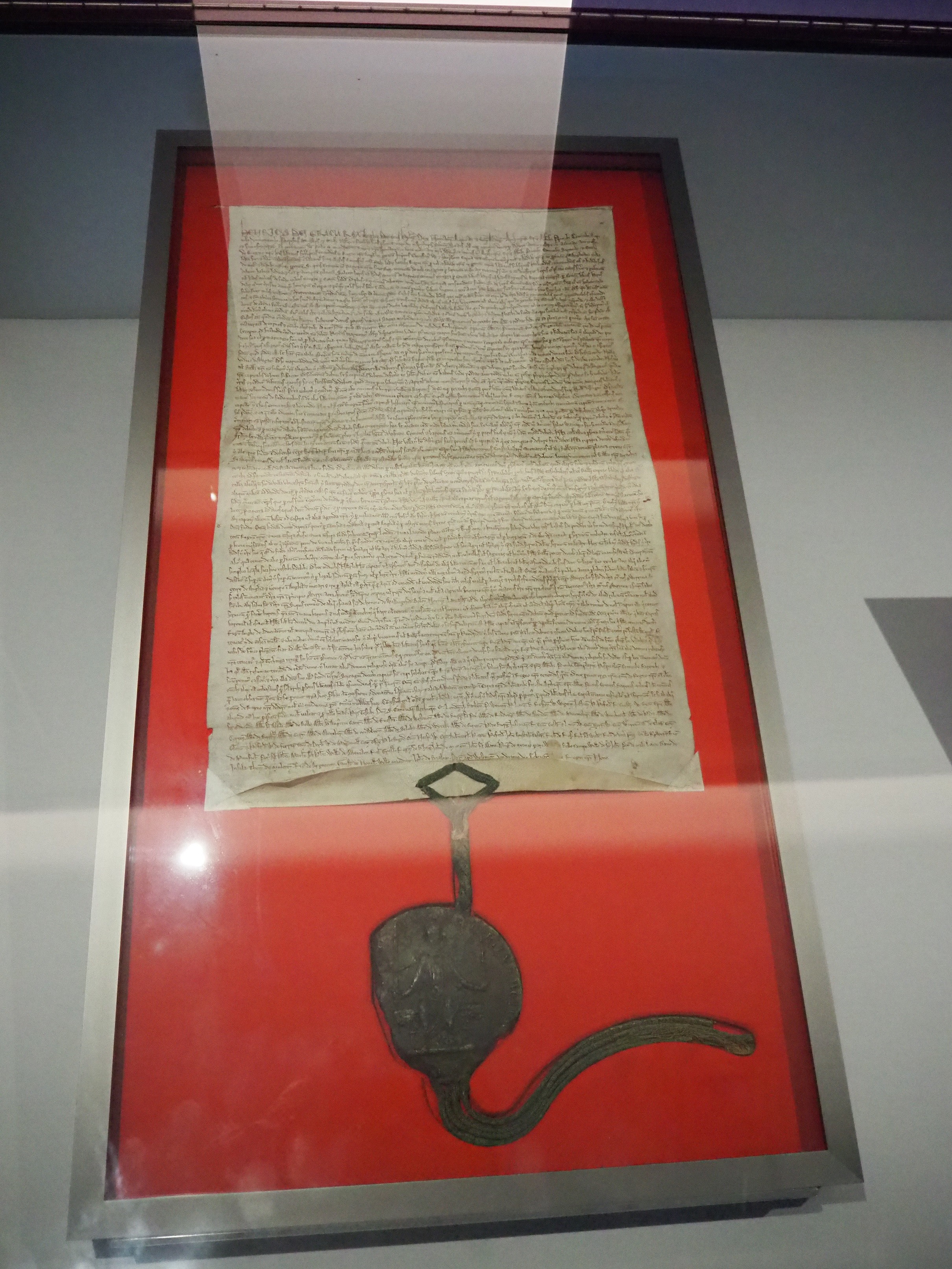
Magna Carta 1225 - the one that mattered!

By John Welford
@indexer (4852)
Leicester, England

August 22, 2019 6:52am CST
In 1215 King John signed Magna Carta, which was a forced recognition that royal power had its limits and that other people - notably the powerful barons - also had rights.
However, John was soon able to persuade the Pope that he had sealed the document under coercion and that it was therefore null and void. John's refusal to abide by the terms of Magna Carta led to civil war, which continued beyond John's death the following year.
The new king, Henry III, was only 9 years old and was therefore unable to exercise his rights as king until he came of age. His interests were therefore protected during his minority by senior nobles who brought the Baron's War to an end and ran the country on Henry's behalf.
However, Magna Carta was not forgotten. The barons had not been able to get King John to accede to their demands, but they were determined not to let the new king follow the same path as his father.
The result was a new Magna Carta that was drawn up in 1225, when Henry was 18, still a few years away from taking full control of the government. It was, in essence, the same as the original 1215 document, but with some extra clauses.
By and large, Henry kept to the terms of the new Charter. That is why it should be celebrated alongside the 1215 version as the foundation document of constitutional monarchy in England and the precursor of such documents as the United States Constitution.
This copy of the 1225 Charter is on public display in the British Library, London.
2 people like this
1 response

@1hopefulman (45111)
• Canada
22 Aug 19
Would you say it was a giant step for the establishments of the rights of an individual?