

The benefits of fennel

By jasjon
@jasjon (252)
Philippines

December 11, 2006 7:09pm CST
Fennel is a traditional aid to digestion. It may help to regulate hormone levels and can ease stomach cramps. It is traditionally used for coughs and it can help to counter high blood pressure
1 response

@neenasatine (2841)
• Philippines
28 Apr 07
Fennel Helps to Fight Mild Digestive Disorders
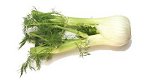
Fennel (Foeniculum vulgare), a member of the parsley family, is a plant with yellowish flowers that grows up to 5 or 6 feet tall. This large herb radiates a sweet, warm licorice odor. While fennel is native to Southern Europe, commercial fennel usually comes from Romania, Bulgaria, Hungary, Egypt, or China. Each part of the fennel plant is edible- the seeds, leaves, stalks, and the bulb.
Culinary Uses
Fennel doubles as a vegetable and a spice. The sweet-flavored tasty stems, which resemble celery, have a pleasant anise-like flavor. They can be diced into soups and salads, or used for savoring stews and stir-fry vegetables. The feathery leaves can also be used to flavor vegetable dishes.
The fruit or seeds are greenish yellow-brown in color, and vary in size up to 3/8 inch (1 cm) long. The seeds are oval in shape, slightly curved with ridges. The grooved seeds can be used both for flavoring purposes as well as for medicinal purposes. The seeds can be used in bread, entrees, apple pie, vegetable dishes, and tomato-based sauces. The Spanish use fennel abundantly in their baking and cooking.
A tea can also be made from fennel seeds. The tea can be prepared by simmering two to three teaspoons of crushed seeds in a cup of hot water for 10-15 minutes. This refreshing tea is also considered a pleasant breath freshener. Fennel seeds are reasonably rich in the minerals, potassium and calcium.
Health Promoting Properties
Fennel belongs to the Apiaceae family of herbs that contains anise, caraway, celery, chervil, coriander, cumin, dill, and parsley. This popular family of culinary herbs is noted for the unique flavors they impart to various foods. These herbs are unique in their content of phthalides, polyacetylenes, and couramins. These phytochemicals provide the consumer with protection against cancer.
Varied Uses
Fennel is a very popular herb with a long history of usage. In folk medicine, it was used to promote menstruation and to enhance lactation. The ancient Romans grew fennel for its aromatic seeds. Today, the pleasant flavor of fennel is used to mask the off flavors of food, medicine, or herbal teas. Extracts of fennel also have antimicrobial activity against a number of bacteria (such as Staphylococcus and E. coli), fungi and yeasts (such as Candida).
For centuries the seeds have been utilized to stimulate appetite and as a digestive carminative to help with flatulence, indigestion, and colic in children. It can also effectively reduce intestinal spasms. A preparation from fennel seeds is useful as a mild expectorant. It is effective in treating inflammation of the mucous membranes of the upper respiratory tract. It has been successfully used for treating cough and catarrh of the upper respiratory tract in children.
The two main constituents of the oil from fennel seeds are trans-anethole (sweet tasting) and fenchone (a disagreeable bitter taste), along with some pleasant smelling terpenoids. The relative proportions of these main constituents determine its overall sweetness or bitterness. Hence, the two varieties of fennel, bitter fennel and sweet fennel, differ in the composition of their seed oil. Sweet fennel contains significantly more anethole and less fenchone. Anethole and fenchone are known to possess expectorant properties, so that fennel is used to treat the fluid emissions of the respiratory tract.
In Germany, fennel seed is approved for treating digestive problems such as flatulence, and mild spasms of the gastrointestinal tract. Fennel stimulates gastrointestinal motility, and at high concentrations it is anti-spasmodic. Fennel is also used in cough syrups and to treat stomach problems. Fennel is also used as a fragrance in soaps and cosmetics.
Safety Issues
There are no known contra-indications for fennel, although someone with a sensitivity to other Apiaceae herbs should not take fennel. It is not recommended for use during pregnancy. Allergic reactions with fennel are rare. A few persons who take fennel may become photosensitive in bright sunlight.
Fennel is considered safe when ingested for short periods of time. It is recommended to use fennel seed or oil medicinally for no more than two weeks. For persistent digestive or respiratory problems, one should consult with a physician.
Fennel - the Digestive and Stimulating Mouth Freshener
Fennel Seeds (Sauf) are very effective for digestive problems. These seeds can be chewed upon or had as a tea decoction for beneficial effects upon the stomach. In India, these are routinely chewed upon after meals to aid in digestion after a rich meal while acting as a herbal mouth freshener.
Fennel seeds often provide quick and effective relief from many digestive disorders. They help to overcome gas, cramps, acid indigestion, and many other digestive tract maladies.
What Fennel seeds contain?
These seeds are very rich in minerals including magnesium. Two of its main constituents are Anethol and Fenchone. Anethol and other terpenoids may inhibit spasms in smooth muscles such as those in the intestinal tract. Fenchone may be responsible for the medicinal properties associated with Fennel.
Recent studies have found that consumption of fennel can increase the production of bile and may also possess diuretic, pain-reducing and anti-microbial activities.
Taste: Seeds taste like licorice when chewed upon.
How to consume?
Fennel seeds may be chewed upon after every meal or even more often. About 2-3 gms may be had at a time and chewed upon. Daily intake about 7 gms. (or 1½ teaspoon).
Fennel may be also had as a tea decoction. For this, boil about 3 gms. (1/2 teaspoon) of seeds in 250 ml. of water. Let the water boil for about 5 minutes while keeping the pot covered. Cool the mixture and then sip as required. 2-3 cups may be had daily in this manner.
If had lukewarm with a few drops of Amritdhara Digestive Drops, this decoction is very effective in stimulating digestion and as a wonderful treatment for stomach gas, pains and flatulence.
Make fennel seeds a part of your daily routine for better digestive health.
How to choose?
Fennel seeds may be yellowish or green in appearance. While the yellow variety is usually used in cooking, the greener variety is softer, naturally sweeter and much better as an oral digestive and a mouth freshener.