sign in • sign up
web | myLot | discussions | tasks | blogs | news | photos
homeinterestsdiscussionstasksblogsnewsmessages friendsphotosearningsmyLotquizzes

italian cuisine

sponsored results (advertise with us)


related topics

italian cuisine

recipe for

recipe diabetic

recipe healthy

recipe appetizer

recipe chicken

all cooking game

recipe for kid

recipe breakfast

all free recipe


photo results

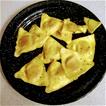
Pasta

The works of the 2nd century AD Greek physician Galen mention itrion, homogeneous compounds made up of flour and water.The Jerusalem Talmud records that itrium, a kind of boiled dough, was common in the historic Land of Israel from the 3rd to 5th centuries AD.But these references are vague and simply speculate on a possible connection to modern pasta. Lasagne A dictionary compiled by the 9th century Syrian physician and lexicographer Isho bar Ali defines itriyya as string-like shapes made of semolina and dried before cooking, probable evidence of Arab influence on the ancestor to modern-day dried pasta. One form of itrion with a long history is laganum (plural lagana), which in Latin refers to a thin sheet of dough. The Chinese were eating noodles made of millet as long ago as 2000 BC. This was confirmed by the discovery of a well-preserved bowl of millet noodles over 4000 years old. However, durum wheat was not known in China until later times. The familiar legend of Marco Polo importing pasta from China was born in the USA on the Macaroni Journal (published by an association of food industries with the goal of promoting the use of pasta in the USA). Marco Polo describes a food similar to "lagana" in his Travels, but he uses a term with which he was already familiar. Durum wheat, and thus pasta as it is known today, was introduced by Arabs during their conquest of Sicily according to the newsletter of the National Macaroni Manufacturers Association. In the 1st century BC writings of Horace, lagana were fine sheets of dough which were fried and were an everyday food.Writing in the 2nd century Athenaeus of Naucratis provides a recipe for lagana which he attributes to the 1st century Chrysippus of Tyana: sheets of dough made of wheat flour and the juice of crushed lettuce, then flavored with spices and deep-fried in oil.An early 5th century cookbook describes a dish called lagana that consisted of layers of dough with meat stuffing, a possible ancestor of modern-day Lasagna.But the method of cooking these sheets of dough do not correspond to our modern definition of either a fresh or dry pasta product. The first concrete information concerning pasta products in Italy dates from the thirteenth or fourteenth century.The question of Pasta's origin continues to evoke speculation. The name (λαγάνα, lagána) survives in modern-day Greece to denote an unleavened, flat bread eaten during the Great Lent.The term "lagana" is also used in the Southern region of Calabria, where it indicates a flat noodle.

Uploaded by CMTS_87 (884) • 8 months ago
Tags: pasta, noodles, italian food, italian cuisine

CMTS_87
(884)

koolkatkool
(83)
pasta

hiii hey i luv to eat pasta...pls can any one give me recipe of gud authentic arrabitta (tomato sauce)pasta..im hav tried few but it wasnt tasty

Started by koolkatkool (83) in cooking • 3 responses • Last response by shenboy8 (693) • 1 year ago
Tags: pasta, italian cuisine, sauce, tomato, tomato sauce

andycnb
(29)
do you like italian food?

food...italy....pizza....lasagna....

Started by andycnb (29) • 1 response • Last response by dellakitty (609) • 4 years ago
Tags: food, italian, italian cuisine

pheanut33
(126)
cuisine

what is ur favorite cuisine?

Started by pheanut33 (126) • 1 response • Last response by goshaprav (176) • 4 years ago
Tags: food, italian cuisine
 
return to mylot
We are loading a word from our sponsors. No thanks, cancel loading.