Explore
Top Rated Discussions
Most Recent Discussions
Most Recent Activity
Hot Discussions
New User Discussions
Discussions w/ No Response
Help
FAQ
Earnings Program
Community Guidelines
Contact
Sign Up!
Log In
Search
Tagged Discussions
Tagged Responses
Tagged Comments
Tagged All Activity
Users
Full Text Discussions
Full Text Responses
Full Text Comments
Full Text All Activity
X
gratitude
Tagged Discussions
Gratitude Challenge Day #1328
Tammy
@tammys85
(31424)
•
Baltimore, Maryland
2 Jun
Hiyeeeee. I’m still doing well, and I just finished my work for today. So, I’ve decided to pop back in to say hello and post another Gratitude Challenge. :) 1. I got up earlier than usual today. I’m glad because it helped get a...
gratitude challenge
gratitude
grateful
thankful
life
6 responses
•
6 people
Gratitude Challenge Day #1327
Tammy
@tammys85
(31424)
•
Baltimore, Maryland
21 May
Hey there, everyone. I’ve been meaning to post another Gratitude Challenge, but between work, outside plans, and the unbearable heat, I just never got around to it. Sooo, here I am! :) 1. Donnie Wahlberg tweeted with us (fans)...
gratitude challenge
gratitude
grateful
thankful
life
5 responses
•
5 people
Gratitude Challenge Day #1326
Tammy
@tammys85
(31424)
•
Baltimore, Maryland
13 May
Hey, hey, heyyyy. I’ve been active both online and offline today. I was out and about, working on writing orders and posting on MyLot. Before I shut down my laptop, I want to post the Gratitude Challenge. 1. Hanging out with a...
gratitude challenge
gratitude
grateful
thankful
life
2 responses
•
1 person
Gratitude Challenge Day #1325
Tammy
@tammys85
(31424)
•
Baltimore, Maryland
2 May
Welp, I just hit the wall, so I think I’m done for the night. It's getting late anyway. I just wanted to hop back on and post the Gratitude Challenge. :) 1. Donnie Wahlberg tweeted with fans during Boston Blue last night. He...
gratitude challenge
gratitude
grateful
thankful
life
4 responses
•
4 people
Gratitude Challenge Day #1324
Tammy
@tammys85
(31424)
•
Baltimore, Maryland
27 Apr
Hey there, everyone. It’s a little after 10 pm, and I just finished that big writing order, so I think I’m gonna skip WWE Raw tonight after all. I’m not, however, skipping the Gratitude Challenge. 1. Listening to my mind/body and...
gratitude challenge
gratitude
grateful
thankful
life
3 responses
•
3 people
Gratitude Challenge Day #1323
Tammy
@tammys85
(31424)
•
Baltimore, Maryland
5 Mar
Hey there, everyone. I just finished writing one order, and now I’m about work on another one. It’ll be my last order before I head home. If I don’t work on anything else tonight, I’ll have work to do tomorrow. The orders I’m...
gratitude challenge
gratitude
grateful
thankful
life
3 responses
•
3 people
Gratitude Challenge Day #1322
Tammy
@tammys85
(31424)
•
Baltimore, Maryland
8 Jan
Hey there, everyone! I’m getting ready to shut down my laptop, but I wanted to do another Gratitude Challenge first. :) 1. We won at Trivia Night again. Last winners of 2025 and first winners of 2026. :) Afterwards, my niece,...
gratitude challenge
gratitude
grateful
thankful
life
4 responses
•
3 people
An accrostic poem and a hiku about being thankful.
Maggie Bray
@catbrat
(22)
5 Jan
THINGS FOR WHICH I THANK THE LORD. Tragedy avoided Honey for my coffee. A day without pain. Needs being met. Knowledge about the things of God. Freedom to come and go. Upbeat celtic music. Losing weight and staying...
thankfulness
gratitude
accrostic
hiku
feedback
2 responses
•
4 people
2026 intentions
B
@pitsipeahie
(5758)
2 Jan
Hello myLot friends! I don’t usually start discussions (you all know that ), but I wanted to pop in and greet everyone a Happy New Year! I may not always be very active, but I do try to drop by, read,...
manifesting 2026
new year intentions
positive vibes
gratitude
law of attraction
9 responses
•
9 people
Gratitude Challenge Day #1320
Tammy
@tammys85
(31424)
•
Baltimore, Maryland
15 Dec
Hey there, everyone. Since it’s been a while, I thought I’d pop in and post a Gratitude Challenge. :) 1. I’m almost finished with my Christmas shopping. I just need to pick up the Little Guy’s gifts and the rest of my stocking...
gratitude challenge
gratitude
grateful
thankful
life
1 response
•
1 person
Gratitude Challenge Day #1319
Tammy
@tammys85
(31424)
•
Baltimore, Maryland
29 Oct
Hey there, everyone. I’m taking a break before starting on my next writing order, so I wanted to post the Gratitude Challenge. 1. I got up at a decent time this morning. 2. My anxiety isn’t nearly as bad as it was yesterday (nor...
gratitude challenge
gratitude
grateful
thankful
life
3 responses
•
3 people
Effusive gratitude
Fleur
@Fleura
(35103)
•
United Kingdom
21 Oct
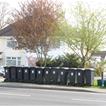
We live in a little cul-de-sac of five houses and on bin day we have to take our wheelie bins to the end of the road – and then back once they’ve been emptied, obviously. We never like to leave the bins out there too long...
neighbour
gratitude
favour
help
thanks
7 responses
•
7 people
That Nothing seems like Everything
APARAJITA BHATTACHARJEE
@mytunemagic
(273)
29 Sep
Not in dollars, sometimes work done with no results, not even a 'thank you' seems like nothing earned. I do not know how many of you would agree with me, but sometimes everything cannot be matched with money. There's something...
amount
earned
luck
calculations
achievements
2 responses
•
1 person
Gratitude Challenge Day #1318
Tammy
@tammys85
(31424)
•
Baltimore, Maryland
24 Sep
Hey there, everyone. I’m getting ready to wrap up (on my laptop) for the day, but I wanted to post the Gratitude Challenge first. 1. The French toast (drip) coffee I’m currently enjoying. 2. Tonight is Trivia Night. 3. Tomorrow...
gratitude challenge
gratitude
grateful
thankful
life
2 responses
•
1 person
Gratitude Challenge Day #1317
Tammy
@tammys85
(31424)
•
Baltimore, Maryland
29 Jul
I’ve been meaning to post a Gratitude Challenge for the past week or so, but I never got around to it. Sooo, I’m going to do it right now. 1. Things have been going well with my freelance writing, and I’m hoping they continue to...
gratitude challenge
gratitude
grateful
thankful
life
1 response
•
1 person
Little Things That Felt Like a Big Deal Today
Ann muthoni
@Msoann
(27)
•
Nyeri, Kenya
3 Jul
This morning I managed to finish my house chores earlier than usual. I actually had time to relax with a quiet cup of tea before the day got busy. No rushing, no stress just a few peaceful minutes. It reminded me how sometimes...
simplejoys
peacefulmoments
everydaylife
gratitude
6 responses
•
8 people
What small thing made your day better today?
Ann muthoni
@Msoann
(27)
•
Nyeri, Kenya
3 Jul
Sometimes it’s not the big wins, but the little things a smile, a cup of tea, or someone checking in. Today, I had a peaceful morning and I’m grateful. What little thing made your day better today? Let’s share and spread good...
daily life
gratitude
happiness
small moments
2 responses
•
3 people
Gratitude Challenge Day #1316
Tammy
@tammys85
(31424)
•
Baltimore, Maryland
30 Apr 25
Heyyyy. I’m passing time while waiting for a quick phone call, and then I’ll start my work. In the meantime, I’ll go ahead and post a Gratitude Challenge. :) 1. It was hot last night, but it started raining between 3am-3:30am,...
gratitude challenge
gratitude
grateful
thankful
life
3 responses
•
2 people
Gratitude Challenge Day #1315
Tammy
@tammys85
(31424)
•
Baltimore, Maryland
13 Feb 25
Hey, hey, hey. It’s been a few weeks since I’ve posted a Gratitude Challenge, so I thought now would be a good time to do so. 1. I’m finished with my work for the day. 2. The weather was nice today. I worked from home but still...
gratitude challenge
gratitude
grateful
thankful
life
1 response
•
1 person
Gratitude
Tina
@trbr22
(80)
•
United States
9 Feb 25
Always be grateful for life. I suffer many illnesses and yet I remain positive in this life trying to always see something good so that I don't live in a state of constant depression. I have been depressed recently though because...
als
depression
positivity
gratitude
caretaker
5 responses
•
5 people