Explore
Top Rated Discussions
Most Recent Discussions
Most Recent Activity
Hot Discussions
New User Discussions
Discussions w/ No Response
Help
FAQ
Earnings Program
Community Guidelines
Contact
Sign Up!
Log In
Search
Tagged Discussions
Tagged Responses
Tagged Comments
Tagged All Activity
Users
Full Text Discussions
Full Text Responses
Full Text Comments
Full Text All Activity
X
beverage
Tagged Discussions
An Early GIft - Coffee Machine
luisadannointed
@luisadannointed
(11881)
•
Philippines
26 May
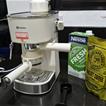
My birthday is coming up, and my sister gave me an early gift; it arrived last Monday. It was a Coffee Machine! I don't know how to use it yet, so my sister is the one who makes coffee using it, lol! I am planning to buy a new...
coffee
machine
beverage
6 responses
•
6 people
Are you a tea or coffee person ?
Traceyjayne
@Traceyjayne
(11478)
•
United Kingdom
6 Jul
Whilst I know that there are those who drink both I think that it is generally an either or…. For me, personally, I am most definitely a coffee drink. I had tea as a very young child but always hated it. As soon as I could make my...
tea
coffee
beverage
drinks
favourite
6 responses
•
6 people
An interesting way to make my coffee
Pitstop
@pitstop
(15551)
•
Australia
1 Jul 23
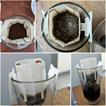
I got a sample of 'easy brew' coffee when purchased coffee beans last month. It was a sachet with what looked like a large dip tea bag. It certainly was an interesting five minutes of making the coffee. I had to tear open the...
coffee
brew
beverage
5 responses
•
4 people
Food and Beverages: Minute Maid's fruit dink has no Vitamin C?
Piyoz the Great
@piyoz000
(487)
•
Philippines
29 Jun 23
I first heard about Minute Maid's Pulpy Orange fruit drink on TV. The commercial was so captivating, showing that the drink has real pulpy orange bits and more. So I became curious what it tastes like. Lucky me that my uncle...
bottled drinks
product reviews
nutrition facts
beverage
4 responses
•
4 people
What's your go-to beverage for staying refreshed during the summer?
Prasun Saurav
@prasuns
(1288)
•
New Delhi, India
12 Jun 23
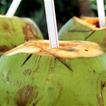
Mine is coconut water, it offers a vast variety of benefits in a single sip. It is packed with essential electrolytes and is a natural sports drink. It regulates blood pressure and keeps heart rate in check. When the...
summer
coconut
coconut water
summertime
beverage
12 responses
•
13 people
Goli soda - a unique experience
Pitstop
@pitstop
(15551)
•
Australia
22 Apr 23
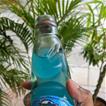
I wonder if you have ever had this drink - we call it Goli Soda. Goli refers to the marble ball that seals the mouth of the bottle. The original used to have a flavour called paneer soda. I used to have it as a kid decades ago....
soda
beverage
food
12 responses
•
13 people
What do you drink coffee or tea?
Kawasaki
@Kawasaki01
(692)
5 Oct 22
Coffee and tea are beverages which people drink more oftenly. Many people as soon as they get up they drink one of the two soft drinks. It freshes our mind so only many people drink these soft drink more oftenly. I drink more...
coffee
tea
soft drink
beverage
8 responses
•
7 people
Cold weather
Laura
@Laurakemunto
(13787)
•
Kenya
19 Jul 22
It has been raining lately here and there has been so much cold experienced. The weather forecast that it will still rain for more days to come. As for this, people so reach out to hot beverages to help cushion themselves from...
beverage
cold season
12 responses
•
12 people
Does coffee make you more productive?
Fleur
@Fleura
(35092)
•
United Kingdom
10 May 22
It’s a common belief that a coffee will help one to work faster and generally be more productive. But for me I have to say it’s the opposite. I guess it does work if it’s the middle of the afternoon, I’m doing something rather...
coffee
beverage
hot drink
work
10 responses
•
9 people
Coffee alternatives
Fleur
@Fleura
(35092)
•
United Kingdom
12 Apr 22
I like a good cup of coffee, but I can only drink so many. I generally just have two a day, or rarely, three, and after that I just don’t want any more. Unfortunately I can’t stand tea, I don’t really like herbal tea, and hot...
coffee
beverage
hot drink
tea
12 responses
•
12 people
Who likes to drink their coffee black?
mayrah
@mayrah
(1144)
•
United States
24 Feb 22
My husband and his mom like to drink black coffee in the morning. For me its too bitter. I can only drink coffee with sugar and cream occassionally since my acid is preventing me from drinking coffee regularly. Some people drink...
coffee
beverage
social
drinks
occassion
9 responses
•
8 people
Have you ever eaten two servings straight away, or drank two cups of coffee straight away?
Suryati20
@sinari
(4995)
•
Indonesia
31 Jan 22
What is your favorite food or drink? And have you ever eaten two servings of your favorite food, or ordered two cups of coffee straight away? My friend loves to drink coffee. And he immediately ordered 2 glasses, one hot coffee,...
food
beverage
coffee shop
shopping
starbucks
9 responses
•
9 people
Do you always carry water in a bottle when you go out of the house?
Suryati20
@sinari
(4995)
•
Indonesia
2 Dec 21
I always carry my water bottle with me when I travel or leave the house for business, or work and travel. I believe more if the water I bring is cleaner and more hygienic. Do friends also do the same thing, as I did this? Always...
shopping
mall
beverage
beautiful
travel
9 responses
•
9 people
Green tea this morning
[eds]
@ZedSmart
(19839)
•
Philippines
25 Sep 21
I preferred coffee over tea but I'd given it up for my health issues. I can't let the day pass without having to sip a hot beverage. Niece have few remaining packets of green tea she had bought for herself so I ask one and...
beverage
green tea
tea
sunday
morning
14 responses
•
12 people
Coffee or Tea
Amelia Das
@Anqaya
(3031)
•
United States
16 Aug 21
Hi dear mylotters. It's 9 AM here. I just finished my breakfast. I had two small apples, wheat bread toast with almond butter spread which ma bought online last month. I also had coffee….for the first time! It was a Nescafe...
tea
coffee
breakfast
beverage
15 responses
•
10 people
Milk.......Good For All Ages.
Kit
@ankurdini
(1798)
5 Jun 21
Hello everyone, Today, I’m discuss about (MILK) one of the most useful beverage and primary source of energy for young mammals and infants. I go to cowshed to get milk every day, there the cost of fresh milk is 40 indian rupees...
milk
drink
beverage
5 responses
•
4 people
National Coffee Day is Tuesday
DB
@dgobucks226
(37621)
28 Sep 20
I really enjoy a cup of coffee in the morning how about you? I usually sip it while enjoying one of my favorite pastries. For me, coffee compliments those breakfast treats perfectly. Well, this Tuesday September 29th, is...
beverage
coffee facts
national coffee day
favorite brand
12 responses
•
11 people
How do you like the new coffee beans I bought
Pitstop
@pitstop
(15551)
•
Australia
20 Sep 20
I like buying freshly roasted coffee beans. Some taste good , some smell good, some look good and others like this look interesting. It's called Dope Coffee and is named Dark Matter. It's labelled as an anti-gravity blend! Do you...
coffee
hot
beverage
coffeeholic
5 responses
•
5 people
Not the Taste of Milo that I grow Up
[eds]
@ZedSmart
(19839)
•
Philippines
3 May 20
I used to like a lot Milo when I was a kid. In fact, when those glass jars were bought, we will eat the powder alone when mom is not around and of course you could guess perhaps our rewards after when she discovered it later. I...
nestle
milo
choco drinks
beverage
12 responses
•
10 people
So Refreshing- Young Coconut Water
[eds]
@ZedSmart
(19839)
•
Philippines
25 Jan 20
Aside from tiredness and unsound feeling, my taste buds are also not in good form. I eat a little during lunch and I’m having some sweet potato in my snacks. I look for beverage that can ease the bland taste I have in my mouth....
water
drinks
refreshment
coconut
beverage
9 responses
•
8 people