

Beginning My Study Of Heraldry

@arthurchappell (44941)
Preston, England

January 2, 2018 12:50pm CST
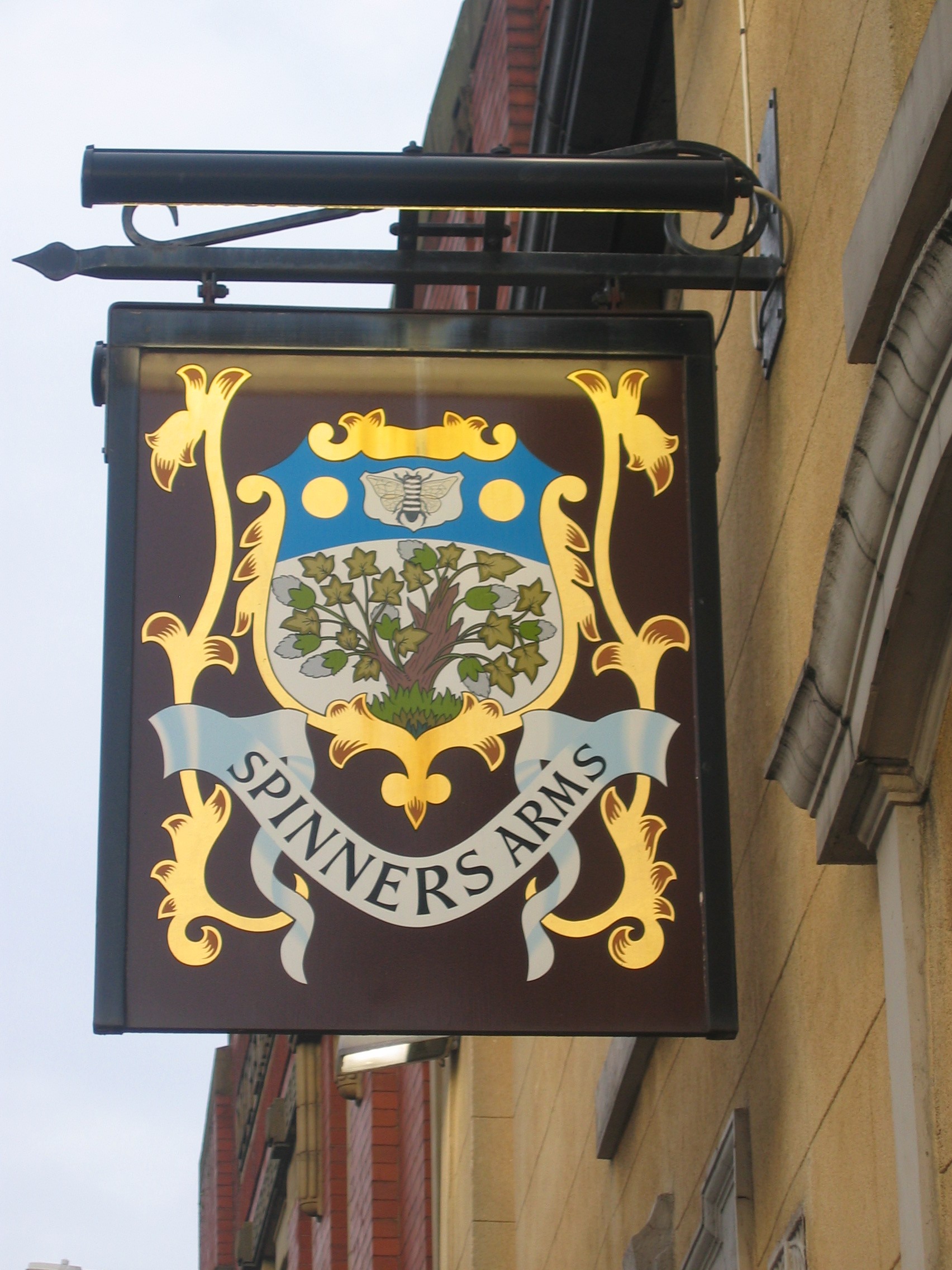
My passion for pub signs has inspired my interest in heraldic shields, and coats-of-arms. Many signs depict coats-of-arms for particular professions, individuals or towns associated with the public houses.
I bought a few books on heraldry to learn what it various designs, colours, motifs, mottoes and fantastic art work might mean. I discovered that heraldry is a surprisingly complex system, and often strictly regulated. No one, even kings, can simply draw whatever they like on a shield or coat-of-arms. Every aspect of a sign has to be earned directly (often in military engagement) or inherited. In medieval times, use of shield designs that were not earned could lead to hefty fines, confiscation of the shields, and possibly even imprisonment.
Soldiers have decorated their weaponry and armour since time immemorial. It helps to identify who owns what sword, or helmet. Greek, Romans and Egyptians, among others, depicted their favourite gods, or fierce lions and mythical creatures on their weapons and armour, chosen randomly. They might sail on a ship decorated in honour of Poseidon (Neptune) and fight on land with shields dedicated to Ares (Mars), but there were no hard and fast rules. If a shield was lost or damaged by heavy or repeated blows in the height of direct combat, a knight might simply pick up another shield from a fallen dead soldier, and carry on fighting with that even if it had different markings or even none at all.
The Vikings, Saxons, and Normans had no heraldry. The Bayeux Tapestry depicting the 1066 Battle of Hastings shows many prominent knights more than once, but never with the same shield emblems or colours depicted twice.
True heraldry began with the Crusades. Knights marched from all over Europe, so uniformity and easy recognition of who your commanders were was more essential if you were not to lose sight of your own fellow men. Banners, pendants and shields grew increasingly complex in design. With many knights wearing full body armour and even covering their heads in closed visors, identifying the men you needed to talk to or parley with would be impossible without very colourful prominent marks of recognition.
As the Crusaders crossed Europe and the deserts of the Near East, armour faced rust from European mud and rain, as well as the desert heat baking the steel to make the knights uncomfortable. To protect themselves, knights wore surcoats over the armour which matched the shield designs, and helped make important commanders identifiable. The surcoats were also known as coats-of-arms.
The royal courts appointed and trained Heralds, messengers who had to learn the shield and surcoat designs of the important knights, barons and monarchs of Europe. From the herald, comes the word Heraldry. George R R Martin’s Game Of Thrones novels often depict (over several pages) pageants, tourneys and battles where heralds are seen identifying arriving knights and families from their heralding banners.
After each successful campaign, knights adjusted their shields with imagery to show off their exploits and their descendants proudly added a forbear’s exploits too.
Sometimes there were disputes when two or more knights wanted similar shield designs, as this could cause confusion. There were also cases of men claiming participation or inheritance that they did not merit. So many men who had not fought at Agincourt tried adding the heraldic glories of the battle to their family shields and surcoats that Henry the Fifth issued laws outlawing inappropriate shield use. Special teams of heraldic Persuviants were established to license, and inspect shield designs, and requests for permission to bear shield designs or change them had to go through Crown appointed bodies. Many men would be told that their desired design were not recognized or accepted. Even today some heraldic designs have no official recognition. Many online companies ell family coats-of-arms, but many would not be regarded as truly authentic.
Soldiers and knights of old had two concerns, Armour (weaponry, ammunition, and protective wear) and armor (colours, motifs, and decorative effects and heraldic designs). Heraldry is now seen as the study, understanding and preservation of the latter. I’ll reveal more as I learn it myself. I wanted to describe shield colours but that will have to wait for a follow up feature.
Arthur Chappell
4 people like this
4 responses

@JohnRoberts (109841)
• Los Angeles, California
2 Jan 18
I would think shields and coats of arms would be very commonly used for pub signs.
2 people like this
@arthurchappell (44941)
• Preston, England
2 Jan 18
@JohnRoberts yes very much so
1 person likes this

@teamfreak16 (43579)
• Denver, Colorado
15 Jan 18
This would be a very interesting subject to study. I have no doubt you'll enjoy it.
1 person likes this
@arthurchappell (44941)
• Preston, England
15 Jan 18
@teamfreak16 yes it is fascinating though complicated
1 person likes this

@arthurchappell (44941)
• Preston, England
2 Jan 18
@Madshadi and I think I am only just scraping the surface yet too
1 person likes this

@arthurchappell (44941)
• Preston, England
2 Jan 18
@Kandae11 they would be very awkward - many of them drowned if pushed in mud or shallow water as they couldn't get up easily
1 person likes this
