

Poetry Review Dylan Thomas The Hunchback In The Park

@arthurchappell (44941)
Preston, England

March 25, 2018 4:06pm CST
1946
It was hearing an audio performance of this poem that first made me fall in love with poetry, though it would be a decade later before I wrote some myself. It remains my favourite poem ever.
Some children see an adult hunchback figure in a public park, and taunt him. The shout names and throw stone at him. He is sad because of their insults and the water fountain cup has gravel in it, ruining the taste of the fresh fountain water the un-named Hunchback would like to drink.
The hunchback spends his day trying to create an idealized beautiful woman in his imagination but she eludes him. He cannot quite bring her to perfection, possibly due to the distractions caused by the cruel children, who picture him going home after the park closes and sleeping in a kennel like a dog. This may reflect the poet’s own struggle to conjure up his Muse in a world full of distractions and troubles.
The park is probably Cwmdonkin Park in Swansea, Wales, and Thomas may be seeing himself as both among the tormenting children and as the artistic, imaginative hunchback, losing thought of his age, pain and deformity in the art his mind generates.
The park itself seems to enter the park gates as the keeper opens them, and it all goes home after the hunchback too, including the children, as well as the narrator (himself one of the boys). The whole poem takes on a dream-like quality, an imperfect world dreaming of a more beautiful one. There is a sense of subjectivity and solipsism. The World only exists in so far as the Hunchback sees it. When he is not looking, feeling or experiencing, there is nothing.
The children are compared to wild strawberries, the kind that can taste nice or bitter. The boys are just running around unchecked by adult restraint, expressing their freedom in a way the Hunchback does not judge even when they are mean to him.
The narrator does seem detached from the other children, playing alone with his boats on the park lake at times.
The children are untroubled, but see age and ugliness as distant, remote and somehow alien. Their own imagination turns the hunchback into a figure more grotesque and pitiful than he is.
The park keeper sees the hunchback as a vagabond and nuisance figure too though there is no indication that he poor man is any threat or liability to anyone.
The figure of the romanticised ideal woman never leaves the park with the hunchback. She dissolves like a sandcastle before the sea as he leaves the park as it closes for the night after the children also go home. Her creation begins as the park opens and the imagining restarts, but so do the Harpying torments from the children.
Youtube – a reading of the poem
Arthur Chappell
Skip navigation Sign inSearch Loading... Close Yeah, keep it Undo Close Watch QueueQueueWatch QueueQueue The next video is startingstop Loading... Watch Queue Queue __count__/__total__ Loading... Want no interruptions? Loading... No problem. Get more with
3 people like this
3 responses

@lovinangelsinstead21 (36847)
• Pamplona, Spain
26 Mar 18
He has a voice that transports you and grabs your attention he is very good at narrating such a good story and the description you give of it is very vivid and real too and thanks for sharing this one.
Never heard of it before either.
1 person likes this

@lovinangelsinstead21 (36847)
• Pamplona, Spain
27 Mar 18
@arthurchappell
I imagine that it was not read by him will look at the video afterwards as I have to go out but it was attention catching the way he narrates it for sure.
1 person likes this
@arthurchappell (44941)
• Preston, England
26 Mar 18
The video isn't read by the poet himself though it is very good - this is Fern Hill read by Dylan Thomas himself
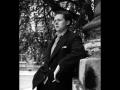
Dylan Thomas — Fern Hill Now as I was young and easy under the apple boughs About the lilting house and happy as the grass was green, The night above the din...
1 person likes this
@arthurchappell (44941)
• Preston, England
27 Mar 18
@lovinangelsinstead21 the Fern Hill one is the author
1 person likes this

@celticeagle (189957)
• Boise, Idaho
26 Mar 18
Have never heard this one before. Not a good children's lesson though is it?
1 person likes this
@celticeagle (189957)
• Boise, Idaho
26 Mar 18
@arthurchappell .....That's what I am thinking.
1 person likes this
@arthurchappell (44941)
• Preston, England
26 Mar 18
@celticeagle no, it might encourage children to mock the elderly and disabled
1 person likes this

@arthurchappell (44941)
• Preston, England
25 Mar 18
@Courage7 it is a very special poem to me - I never tire of reading or hearing it
1 person likes this