

Zen story: Be like the worm. You were one once!

By emptychair
@innertalks (23745)
Australia

January 28, 2023 2:11am CST
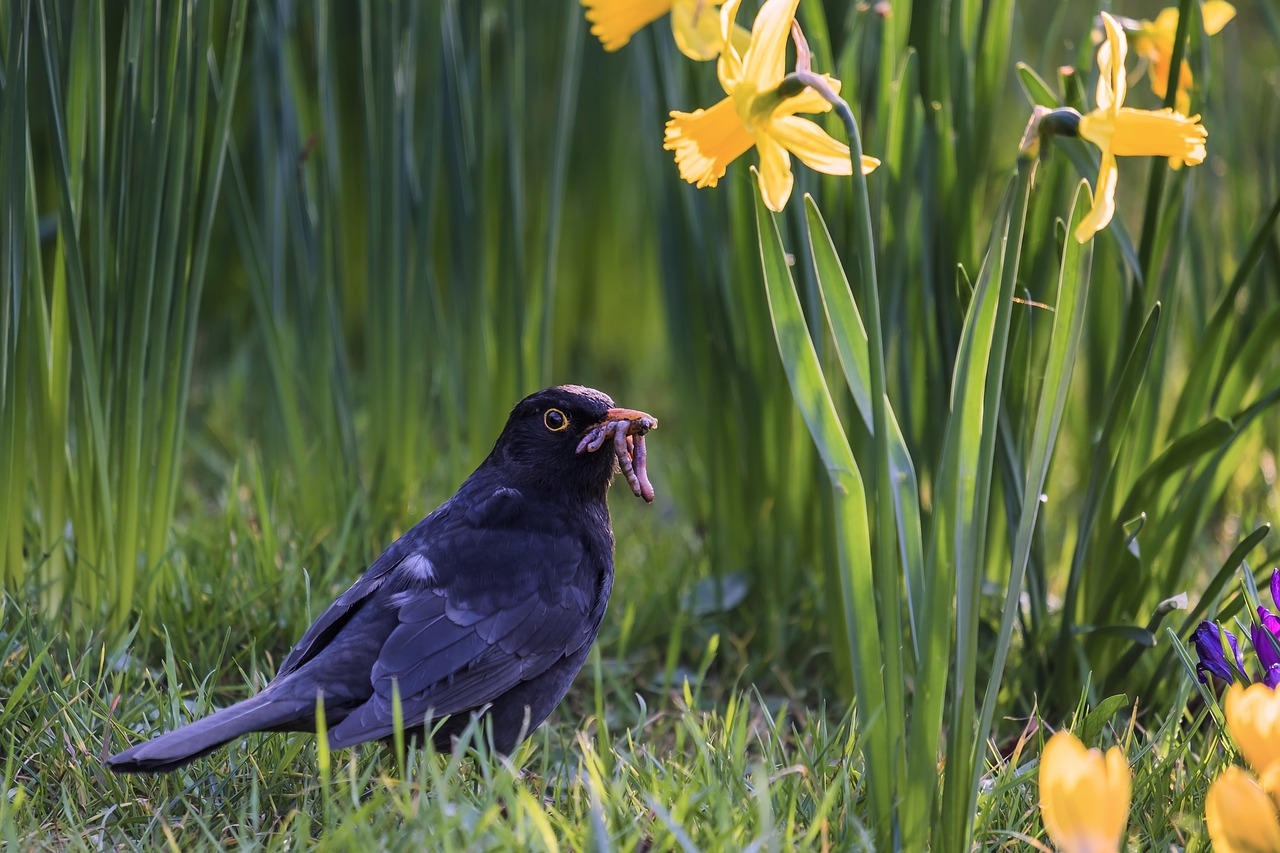
The old Zen master, Gregor Respuskin, was watching a bird, who had some worms in its mouth.
He said to a nearby student.
"It will feed those to its young, which it puts above itself in priority to eat."
"When we study Zen, we also sometimes open up a can of worms, which seemingly we must also consume to see the zen behind the methods, of our master."
"Be like the worm."
"The worm is a creature that mostly lives under the ground, but comes up when it rains. It seeks moisture, as it likes to feel wet around itself at all times."
"You must seek God for the same reason to feel love around yourselves, at all times too."
"Worms must keep moist at all times, and when it rains, they often emerge from the soil, to slither along the ground to a new location, quicker than they can tunnel through the ground, underground."
"They will come out under the cover of darkness, as during the day, the soil surface is too hot and dry."
"At these times, though, they can be eaten by a passing bird, or if they venture onto a footpath, and are still there when the sun comes out, they will die there, as they will dry out, and shrivel up dead, as they cannot breathe through their skin when they are dried out, like that."
"Hence the saying, '"the early bird catches the worm."'
This is a very old saying, by an English historian named, William Camden, (1551 to 1623)."
"They must catch the worm before sunlight arises."
"Do not tread on any worm, as it deserves its life as much as you do."
"Humans came from worms. They evolved from a small worm-like creature that lived in the sea, more than 500 million years ago."
"So, let things be as they are, and only change things where it is necessary to change them."
The Zen master then stopped talking, and started to tend the plants in his garden.
Photo Credit: The photo used in this article was sourced from the free media site, pixabay.com
The early bird catches the worm, but not usually for itself, but for its own young.
3 people like this
2 responses

@Shiva49 (28397)
• Singapore
28 Jan 23
We cannot live in isolation, on an island exclusively, without other species around us too.
If we destroy the biodiversity around us, we are digging our own graves too.
We should not kick the ladder we used to climb to reach this stage
We are dependent more on them than they are on us.
It is an inclusive ride at the end of the day and others are our fellow travelers.
2 people like this
@innertalks (23745)
• Australia
28 Jan 23
It has been said that if all the worms in the Earth suddenly disappeared, we would not survive for long after that too. They aerate, enrich, and improve the drainage, of soils. They improve the fertility of soils, helping things to grow within the soils so enriched.
The same has been said about bees. If they all disappeared, we would be cactussed too.
Yes, everything depends on everything else in this interconnected world of our creators.
If things get misplaced though, trouble begins, and a worm removed from its habitat and allowed to spread where it was not before, can actually be a pest in that area, instead of a benefit.
There is a place for everything, and everything should be kept in its place.
https://www.discovery.com/nature/Earthworms-Arent-Good-for-the-Soil-You-Think
@innertalks (23745)
• Australia
29 Jan 23
@Shiva49 To my mind, both China, and Japan, could not populate more for a generation, or two, and they would still be over-populated. They owe it to the rest of the world to shrink a bit.
Australia is still growing, but infrastructure building always lags behind, and so we all feel crowded, and squeezed, here now, on beaches, on the congested roads, and in trains.
We have space here, but without making the space livable first, we are going backwards fast too.
With the rate of tree chopping here, koalas will be soon extinct, for example.
2 people like this
@Shiva49 (28397)
• Singapore
29 Jan 23
@innertalks Yes, we need to coexist as others are not really pests or intruders but they help us in many ways that we may not even be aware of.
The splendid isolation that some yearn for can bring about their doom too.
Now China and Japan are worried about their future as their population is shrinking with fewer working adults to support the aging population that have also longer longevity than their previous generations.
2 people like this


@popciclecold (40214)
• United States
28 Jan 23
Wow, what a very inspiring post. Good job.
2 people like this
@innertalks (23745)
• Australia
28 Jan 23
Thanks.
A worm might be blind, but it is not blind to what goes on around it. It has light sensors/receptors, so it knows when it is dark, or light, day, or night. They can also feel the vibrations of other creatures moving around them too.
Most things, creatures, events in our lives, can teach us something, and we can make a lesson out from them for ourselves, as my Zen master did for his student here, in my story.
2 people like this
