

This isn't a rat - it's a rakali

By Judy Evans
@JudyEv (386037)
Rockingham, Australia

August 14, 2026 9:04pm CST
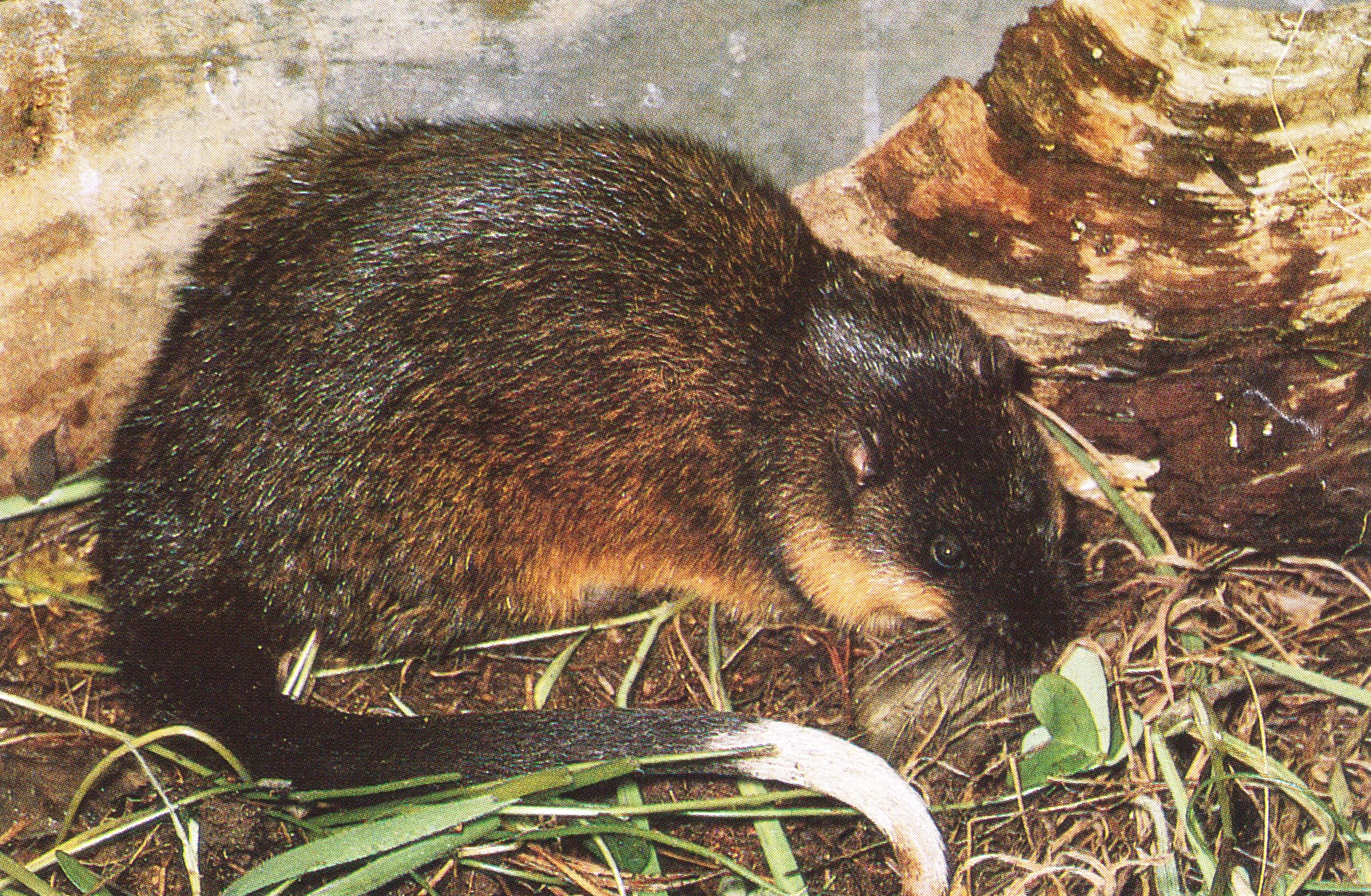
The image is not that of a rat but of a rakali. It’s an Australian marsupial and often mistaken for the common brown or black rat. It was once called a ‘water rat’ but ‘rakali’ was adopted because of the negative connotations associated with ‘rat’. Their scientific name, Hydromys chrysogaster, translates to ‘golden-bellied water mouse’.
The rakali has now been found to be quietly thriving in Melbourne’s waterways as well as in other areas. They chew or slip their way out of monitoring gear so have been hard to track. Nicknamed Australia’s answer to the otter, the rakali has water-repellent fur, partially webbed hind feet, a streamlined body and a long, rudder-like tail. The main giveaway is the white tail tip.
One way researchers know rakalis are in an area is by the tidy pile of bones and shells they leave behind after having dined on invertebrates or crustaceans. They can also safely eat a cane toad, carefully cutting out the toxic glands before dining on the remains. They are in our south-west but I’ve yet to see one.
The photo is from Wikimedia and was taken by ZooPro.
5 people like this
6 responses

@celticeagle (192304)
• Boise, Idaho
Just now
I like its name. They sound intelligent too and look like a collection of several animals.
1 person likes this

@DaddyEvil (177032)
• United States
Just now
Something has finally figured out how to safely eat a cane toad? Nice! 


@nawala123 (20939)
• Indonesia
20m
No wonder if people call it a rat when see it in a glance. It has so many similarities