

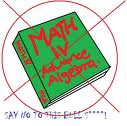
Elementary subjects are way too complicated for graders?

By flagella08
@flagella08 (5065)
Philippines

November 30, 2009 2:17am CST
Here in our place, the curriculum in elementary is way too complicated and that the pupils cannot remember all the lessons. The result is after the end of their elementary period, only few had been etched in the minds of these kids. I have read an article on this and I absolutely agree with it. Here it goes: In addition to the fact that the Philippines has one of the
shortest time spans for the completion of basic education,
studies point to curriculum overcrowding. Every day,
learners must study and do homework in seven of the
eight subject areas. When combined with the learning
competencies required for each grade/year level, this has
proven to be excessive. Reports that science and mathematics
content cannot be completed in one school year
have confirmed this observation. In this context, a backlog
occurs and a carry-over of the previous year’s content and
competencies to the following school year adversely affects
the teaching/learning process. Furthermore, the
scope and sequencing of education (from elementary to
secondary level) have also been identified as design defects.
Here, content and skills gaps—as well as overlaps
and duplications—have emerged. While overlap and duplication
further aggravate the curriculum overload, the
gaps have helped to produce elementary school graduates
who are not entirely ready for secondary school.
2 responses

@GADHISUNU (2162)
• India
1 Dec 09
This is the fate of schools and syllabi(study plans) in India too. I only hope your textbooks are interesting. What I mean by that is they are written in an interesting manner. Back in our times school books were written in so boring a style that children of the present day would not have shown any interest in studies. The textbooks have gotten a lot better over the years, especially in the so called Central Board of Secondary Education scheme.According to the Indian Constitutional provisions Education is what we call a concurrent subject. By this we mean that the Central Government as well as the State Governments can legislate and hav edifferent Education systems.This provision was made so that states differing in social advancement could suitably grade their educational systems. After about 60 years of Independence the States have more less come to a standard level of educational competence, throughout the country.
Yet our older generations like my father, grand father etc.,(both are not alive now) used to find fault with our educational system where standards much higher than what average students could assimilate do no one any good. But what they have overlooked is the steady shift of the emphasis in education from the liberal arts to Science and Technology. Todays world is fast advancing due to S&T. Thus the students need a greater grounding in S&T. The syllabi are therefore geared towards that end. Languages and other "arts/humanities" subjects like Social Studies(History, Geography, and Civics) have and are being underplayed so much so that the new crop of students know too little about their country's culture or history. Nor are their language capabilities good enough.
Added to this the present generation of students is interested more in entertaining themselves with TV programmes and the Internet rather than studies. It is a great task to motivate them to study. Most of them don't seem to be interested in languages at all!
As I understand the best way is to make study interesting. I love American Textbooks. Whether at school level or collegite studies, American Books are pedagogically very sound and absorbing. It is heartening to find that these days Indian Authors also are producing somewhat interesting textbooks.
@flagella08 (5065)
• Philippines
2 Dec 09
we have good books here but i don't think the curriculum makers were able to meet the demands of the students.also,they tend to feed small kids loads of info and at the end they don't even remember a bit. my point is why nto stick to focusing as to assessing the mental capacity of these kid's brains and not overloading them. thnaks for responding here.

@strikezero86 (246)
• Canada
30 Nov 09
I was actually born in the Philippines. I was only there until I was 7, but I do remember having homework and bringing home text books and work books home. My bag was so heavy, my teacher helped me carry it out the front entrance. My parents were also always helping with my homework.
It's possible that they are trying to compete with some of the other schools in other countries, so they create a harder curriculum in hopes of, I guess, "producing" smarter graduates. But I guess they didn't think about how the majority of the students are going to end up being burned out with all the hard work they're giving them, giving them the opposite results.
1 person likes this
@flagella08 (5065)
• Philippines
2 Dec 09
that was what i am talking about. these kids will really be ccupied with too much info and that they tend to not to remember any of it after the sessions. too much on everything is bad and i guess this issue should be considered as the pressing challenge for curriculu developers.
