

Stevia , what it is and how safe?

@Professor2010 (20156)
India

September 25, 2010 4:13am CST
Friends most people now have a sweet tooth. But for thousands of years, that was no problem. Hunter-gatherers like our ancestors didn’t have a lot of sweet foods available. They ate fruits in season and honey. Next came farming, it changed all that. Our ancestors settled down. They began growing grains, baking with those grains, and then adding sweeteners. Eventually, they moved on to cakes and candies.
As we ate more and more sugary foods, our health began to suffer. Science introduced artificial sweeteners to help us cut down. But these sweeteners came with their own problems. Some have already been banned as health hazards. Even the so called “safe” ones are controversial.
I got the following information from a friend, it says: Studies have linked artificial sweeteners to everything from increased appetite to blood sugar trouble. For those of us with a sweet tooth, it’s a real problem. Fortunately, there’s an answer. And this answer isn’t just sweet; it may actually be good for you. You may have heard of stevia before. It’s a South American plant that’s up to 300 times sweeter than sugar. And though it’s sweet like sugar, it doesn’t have all the calories in sugar – or sugar’s other health effects.
In South America, the Guarani people have used stevia as a sweetener and medicine for centuries. But western science only “discovered” stevia about 100 years ago. The Japanese approved stevia as a sweetener back n the 1970’s. But it wasn’t approved here in the US until 2008. Before that, you could only find it in health food stores – sold it as a “supplement.” But, calling stevia a supplement wasn’t far off the mark, because, unlike artificial sweeteners, stevia appears to have genuine health benefits.
Scientist in Florida gave a group of men one of three drinks before a meal. The drinks contained either stevia, sugar or an artificial sweetener. The researchers found one big difference after each meal. The sugar and insulin levels in the men’s blood were always lower among those who had the stevia drink.
A Danish team performed a similar experiment, except their subjects had serious blood sugar problems. But these men also had lower blood sugar levels after a meal containing stevia.
In other words, stevia appears to support a “smoothing out” of the blood sugar spikes most people experience after eating. And that’s great news for anyone trying to control their blood sugar.
But it’s not the only benefit stevia may offer. There’s also evidence that it has a positive influence on blood pressure, too. Researchers at Taipei Medical College took a group of men with high blood pressure. The men ranged in age from 28 to 75. Some of the men were given stevia. The rest received a placebo.
After three months, the men taking stevia had much lower blood pressure, while the placebo group didn’t. Plus, over the course of a year, far more in the placebo group developed complications linked to high blood pressure. A more recent study found that stevia promoted such a big difference in blood pressure that it actually helps improve the quality of life. And that’s using a medical definition of the term.
But here’s the amazing thing. Stevia only appears to promote lower blood pressure in people whose blood pressure is already high. When researchers gave stevia to people with normal blood pressure, their blood pressure levels stayed normal. Even when they took far more stevia than you’ll probably ever get in a day. In other words, stevia appears to have a normalizing influence on blood pressure.
Many assume that because stevia is natural, it must be safe. The FDA says otherwise. Should you be concerned? Here's how stevia landed in the news recently. The FDA sent a warning letter to Hain Celestial Group Inc. chastising them for using stevia as a food additive in some of their Zinger teas. Though it is permitted as as food "supplement," the FDA considers Stevia an "unsafe food additive.
In its letter, the FDA pointed out that there was insufficient data to conclude that stevia is safe. Even more alarming, they said that literature reports have raised concerns about stevia's effects on blood sugar, as well as possible adverse impacts it might have on reproductive, cardiovascular, and renal systems.
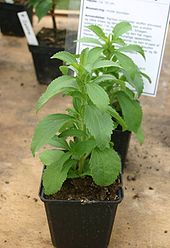
[i][b]Friends, I have diabetes, my wife has diabetes and high BP too. We want to try stevia in place of artificial sweeteners like ‘Sugar free’, ‘Equal’ etc. I searched in net and got this picture; to me it looks like ‘GUDMARI’ plant. You chew a few leaves, next try placing a spoonful of sugar on tongue, it feels like sand.
Can anybody help me? Do you have sweet tooth, do you take artificial sweetners? Please also comment on this story.[/b][/i]Professor

2 people like this
12 responses

@JayJay45 (157)
• United States
28 Sep 10
Hi Professor! I found your info on stevia extremely interesting. I have heard of it, but not yet tried it myself. I too did research on it and found many websites that say there are no side effects from stevia and it is completely safe. You of course have to decide for yourself whether you want to use it or not. The Japanese have been using it for decades with no ill effects and it is now approved by Canada to be used as a food additive. I personally put NO stock in anything the FDA says or approves or disapproves. They rely heavily on outside funding and will approve anything that will make them more money, or disprove anything that won't. Please remember it was the FDA that approved aspertame safe for public consumption and now it has been proven that aspertame is POISON! With a long long laundry list of side effects, including cancer. You can look that up for yourself, it's out there. Anyway, stevia is not readily available here in the USA -- of course not-- so I haven't tried it yet, but have read only good about it. Also let me suggest you do some research on agave nectar. It too comes from a plant, and is totally organic. It has a lower GI number than honey and is easier to use. In fact I find honey too sweet for me, but I really like agave. Do some research on that and tell me what you think! And by the way I wouldn't touch artificial sweeteners with a 10 foot pole! I mean they are ARTIFICIAL! Why would you want to put anything artificial into your body?

@dawnald (85137)
• Shingle Springs, California
27 Sep 10
I stopped taking artificial sweetners because I found that they made me more hungry. I have had fewer food cravings since I stopped. But I haven't tried stevia yet...

@Buchi_bulla (8298)
• India
26 Sep 10
I have seen these plants in my sister's house. She only introduced me to this plant. But how to use them for coffee tea and all, I do not know. May be you have to dry the leaves and powder them and use for coffee and tea.
@Hatley (163772)
• Garden Grove, California
25 Sep 10
hi professor like your wife I also have high blood pressure and take three different pills for it and its still a bit high so I think
trying stevia is a great idea and as I am also a type two diabetic
I could use stevia's lowereing blood sugar too. I would love to get[soje and use it. much safer as its natural.
@LaurenInLA (2270)
• United States
26 Sep 10
Stevia is very safe because it isn't an artificial sweetener. It's actually a plant and the taste resembles the taste of sugar. We tried "Truvia" which is the commercial name for the sweetener and we love it. Wouldn't have anything else in the house. I am told that there's a soda pop that is made with stevia but I haven't run across it yet.

@maygodblessu44 (7336)
• India
25 Sep 10
Hello my friend Professor2010 Ji,
Well, I hav eno such sweet-tooth, then I am too suffering with HTN and DM2 as well. Once my hubby told me about this leaf and at that time he also told me that while making sugar-free tablets, this is used. I am using sugar-free and at times, I use natural sweet foods avilable. But I only suggest, not to go deep into investigation and eat what it may suit to anyone. I have not come across such leaves in physical contact. My BP is almost under control by taking 5 mg Ramipril (CARDACE) twice a day and I take 4 Mg Glimeperide daily in addition to Bitter gourd's (Karela) juice. I have never taken 'INSULINE' so far. But if I get those leaves, I will not hesitate to take without worying waht FDA rules. It is my will and pleasure to live as I like.
May God bless You and have a great time.

@tigeraunt (6326)
• Philippines
25 Sep 10
dear professor,
for everything new, i always am making sure that it would not be hurtful to health. so many claims on sugar sweeteners being good for diabetics but after some tests in was found out that it is not good for diabetics still. so i would be careful. have a nice day.
ann
have a nice day.
ann
have a nice day.
ann
@vathsala30 (3732)
• India
25 Sep 10
We have Stevia plants in our garden. I have bought it for Rs.5/- each from GKVK, Bangalore. Really the leaves are sweet but at the end slightly bitter taste. Naturopathy says we can powder this leaves after drying it and can use it in place of sugar for coffee and tea and even kheer but i never tried.

@Graceekwenx (3160)
• Philippines
25 Sep 10
Paps! I have tasted a sample of the plant stevia. I really expect it to more healthful compared to the artificial sweeteners in the market. I was hoping that it would be the best alternative for sugar. In fact, i have wanted to plant stevia in our farm. I sure hope that they clear out the issues on stevia because i myself am waiting for the results.
@enthusiasticone (348)
• China
25 Sep 10
wow, so sorry to hear that. but i cannot understand you enough . so sorry .
@chayapathys (2111)
• India
25 Sep 10
Thank you for your enlightened article.WE are diabetics and we use the medicines prescribed by our doctors.We are comfortable.There is no use worrying about. Our policy is "endure what cannot be cured" We are enduring as there is no cure for diabetes.....
