

Hedgehogs may not hibernate in New Zealand

By Judy Evans
@JudyEv (382440)
Rockingham, Australia

August 24, 2017 5:15am CST
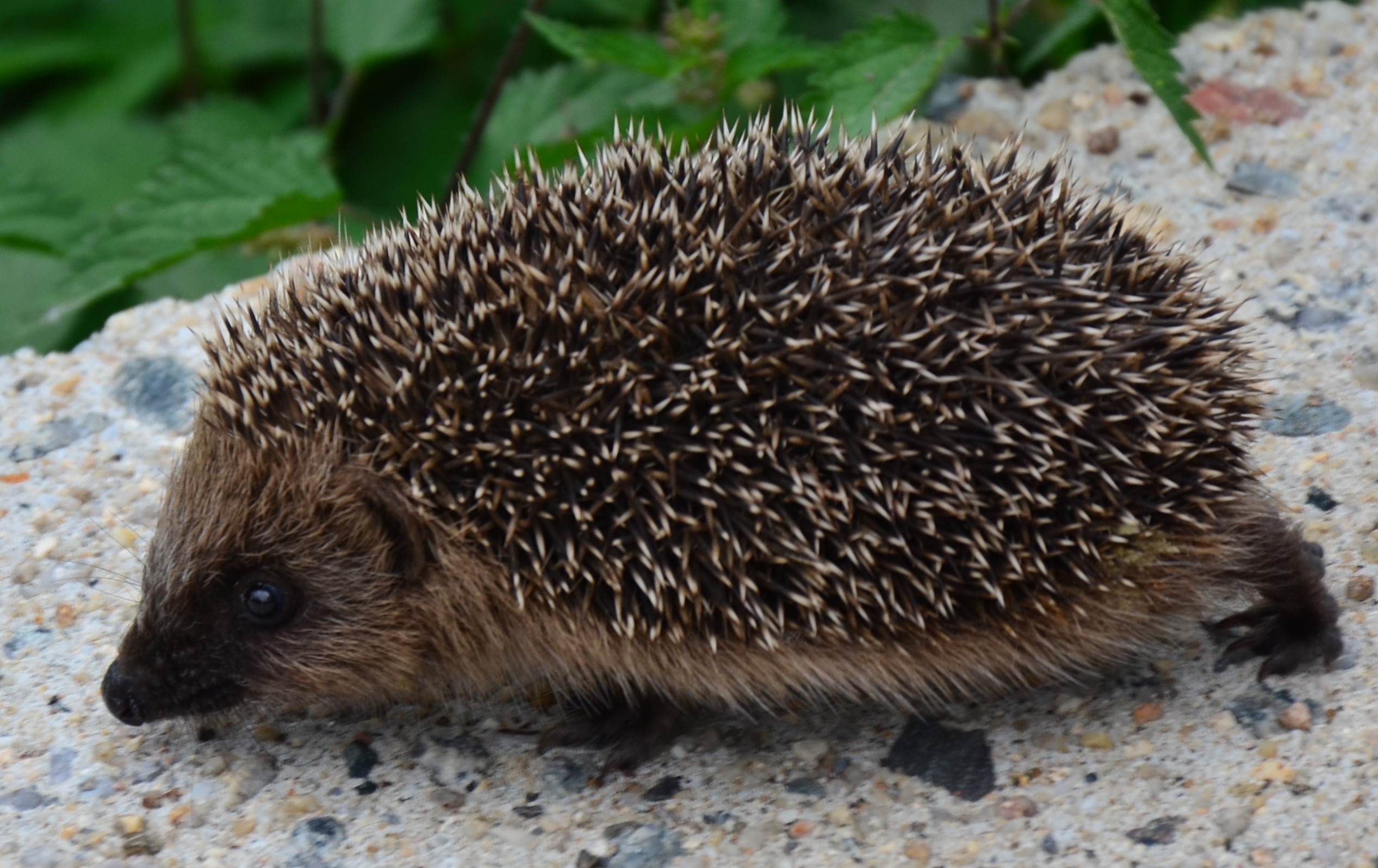
When I was researching hedgehogs after a little one was found in Availles-Limouzine in France, I found it interesting to learn that it is an ‘invasive exotic species’ in New Zealand. It seems that, for sentimental reasons, colonists in the 1860s to the 1890s took hedgehogs from England and Scotland to New Zealand on sailing ships. Few survived the trip and those that did lost all their fleas. I wonder why that was so?
They first became established in the South Island and their spread was aided by guards dropping off a few here and there at country railway stations. They were introduced to the North Island around 1906 and from then on their numbers increased dramatically. They were blamed for reducing the number of game-birds – I guess by eating the eggs – and were declared noxious animals and for several years a bounty of one shilling a snout was declared.
By the 1950s hedgehogs could be found all over both islands with the exception of the coldest wettest corner of the South Island and alpine areas of permanent snow. As some do not hibernate at all and others only for three months due to the milder climate, they do not reach the same weights as their European counterparts.
Around half of all New Zealand hedgehogs have faulty teeth and authorities believe this is because of a genetic factor. In the 1950s, 50 hedgehogs were killed on the roads per 100 kms but the number is now less than 1 per 100 km.
Conservationists are keen to limit their numbers as they prey on some rare insects, lizards and ground-nesting birds. Gardeners are usually happy to see them as they eat so many slugs and snails. I wonder if @valmnz has them in her garden?
There are many instances where animals have been taken to a foreign country and in time turned out to be a pest so it is probably a good thing they aren’t found in Australia. And this information has been taken from Wikipedia.
12 people like this
10 responses


@JohnRoberts (109841)
• Los Angeles, California
24 Aug 17
Invasive "imported" animals are a plague here also. Your country has had its issues. I read about the camel problem.
3 people like this

@topffer (42155)
• France
24 Aug 17

They are an endangered species in France, 2/3 of our hedgehogs have disappeared in the past 20 years, mainly because of new pesticids used by agriculture.
Not sure that they would be able to live in Australia, as they need a temperate weather.
And by the way, it remembered me an old comics. A mother hedgehog tells to her children how to cross a road, ending her speech by "believe my experience, I show you now", and is killed by a car. On the right of the cartoon, the hedgehog says : "Old people are like this, they want to impose us an experience that they are even not able to use for themselves."
3 people like this




@ptrikha_2 (49775)
• India
25 Aug 17
Bringing an animal away from its natural habitat to another place, where they are not used to, can cause suffering for them, or can cause other issues.
Even some time back, some Indian institutions and Government was thinking of bringing some African Cheetahs to India(Indian Cheetahs became extinct by 19th century due to excessive hunting) and make them adapt to Indian climate and increase in number.
However, that plan was dropped as it could prove problematic for African Cheetahs to survive in Indian climate.
1 person likes this


@JudyEv (382440)
• Rockingham, Australia
24 Aug 17
I think it would be great to have a hedgehog as a pet. Did he look like the European hedgehog?

@teamfreak16 (43655)
• Denver, Colorado
24 Aug 17
I don't think I've ever seen one, other than in pictures. Interesting information.
1 person likes this
