

Quality Sleep Can Lower Your Dementia Risk

@DeborahDiane (40851)
Laguna Woods, California

February 15, 2018 5:32pm CST
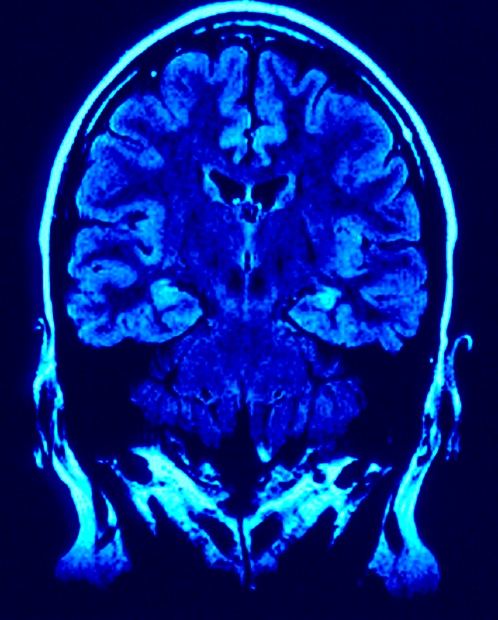
Over the past week, I have begun posting a series articles based on a brain health class I am taking from a local college. The articles all have the blue image of a brain at the top, to make it easy for people to read them all.
The first article explained that the average American has a 40% risk of developing some form of dementia, including Alzheimers Disease, if they live to be 90. Even at age 80, we have a 10% chance of developing dementia.
However, there are steps you can take to reduce your risk. You may also want to read the posts I have written on how the MIND Diet and certain exercises can cut your risk. Maintaining a healthy brain requires a variety of approaches.
One important factor is getting enough sleep. Yes, you can sleep your way to a lower dementia risk!
According to Dr. Bryce Mander, a researcher at the University of California in Irvine, sleep is absolutely essential to the encoding (formation), consolidation and recall of memories. Two-thirds of people with Alzheimer's Disease have a history of sleep problems, usually either insomnia or sleep apnea.
The good news is researchers have discovered that medical interventions, such as using a CPAP machine for apnea, can reduce your risk of developing dementia, including Alzheimer's. It is important you discuss any sleep problems you are having with your family physician.
These Lifestyle Changes Can Make a Big Difference:
Establish a consistent sleep and wake time and stick to it, or within 2 hours, every day.
Plan to sleep between 7 and 9 hours a night. (Too much sleep can be an indication of other health problems).
Spend the last half-hour of your day before bedtime in relaxing activities such as a bath, reading, or meditation.
Turn off electronic devices at least 30 minutes before bedtime. Do not get in the habit of watching TV or playing on your computer in bed.
Have dim lights in the evening. Bright lights suppress your melatonin. Avoid the blue and green light from electronic devices. Choose night lights in orange and yellow tones.
Keep your bedroom cool, but not freezing.
What you eat and drink matters. No large meals too close to bedtime. No caffeine after 3:00 p.m. No alcoholic beverages in the evening. They can cause poor sleep quality. You may fall asleep quickly, but will wake up after the alcohol wears off and have trouble falling back asleep.
Quality sleep, a healthy diet, and a variety of exercises can go a long way towards reducing your risk of dementia. In the coming months, I will continue to share what I learn from my brain health class.
(This is part of a series of classes I will be posting about once a week, based on a college class I am taking on brain health. The information has been very illuminating for me, and I hope to share it with my friends.)
13 people like this
13 responses

@crossbones27 (53005)
• Mojave, California
16 Feb 18
Dammit, guess I will never say" I can sleep when I die,"again. Good info, thanks for sharing.
3 people like this
@DeborahDiane (40851)
• Laguna Woods, California
16 Feb 18
@crossbones27 - Ha ha! No, you do not want to wait until you die before you let yourself get a good night's sleep ... or you may spend the last years of your life with dementia!
1 person likes this
@crossbones27 (53005)
• Mojave, California
16 Feb 18
@DeborahDiane Indeed, lived a proud life, would like to remember it. I am not one of those people who cannot sleep at night because they did bad things. Some people might be shooting for this Just saying.
1 person likes this
@DeborahDiane (40851)
• Laguna Woods, California
16 Feb 18
@crossbones27 - Yes, you make a good point. I think some people have trouble sleeping because of the life they have lived. Like you, I have enjoyed my life, and want to remember it until the end.
1 person likes this


@DeborahDiane (40851)
• Laguna Woods, California
17 Feb 18
@just4him - I do the same thing. It is very helpful to nap. It makes me feel much better, especially if I have anything to do in the evening.
1 person likes this
@DeborahDiane (40851)
• Laguna Woods, California
17 Feb 18
@just4him - Great! We all need a little extra energy to get through our days.
1 person likes this
@just4him (323168)
• Green Bay, Wisconsin
17 Feb 18
@DeborahDiane It gives me a boost of energy.
1 person likes this

@bagarad (14283)
• Paso Robles, California
16 Feb 18
Getting this much quality sleep is really hard for me. If my heart isn't keeping me awake, my thoughts are. Sometimes I can go to sleep quickly, but most nights it takes a while. Once I get to sleep, I do OK. I really do need to be more disciplined. I normally get about six hours sleep.
2 people like this
@DeborahDiane (40851)
• Laguna Woods, California
17 Feb 18
@bagarad - According to the researcher, you might want to try some of the suggestions I listed in this article and talk to your doctor to see if a medical intervention can help you get more sleep. It could benefit you in the future. However, if nothing can be done, it is probably best not to stress over it. Stress isn't good for you, either!
1 person likes this

@prashu228 (37518)
• India
16 Feb 18
Good information..i sleep well, no problem as of now
2 people like this
@DeborahDiane (40851)
• Laguna Woods, California
16 Feb 18
@prashu228 - I'm glad you sleep well. It should help your brain function well, too.
1 person likes this


@DeborahDiane (40851)
• Laguna Woods, California
16 Feb 18
@DianneN - Great! No wonder you always seem so clear minded. I lead a pretty healthy lifestyle, myself, but I have been amazed by how much I am learning in these brain health classes.
1 person likes this
@DeborahDiane (40851)
• Laguna Woods, California
17 Feb 18
@DianneN - Ha ha! We all slip up once in a while. Auto-correct can be both a blessing and a curse! LOL
1 person likes this
@DianneN (254926)
• United States
16 Feb 18
@DeborahDiane Not so clear minded. I just edited a typo or autocorrect in my previous comment.
1 person likes this

@DeborahDiane (40851)
• Laguna Woods, California
16 Feb 18
@JudyEv - I had read quite a bit about dementia before taking this class. However, I am amazed by how much new stuff I am learning. I have discovered that people really can make a difference in how they age ... and simply doing Crossword Puzzles is not nearly enough!
1 person likes this

@averygirl72 (38848)
• Philippines
16 Feb 18
I have problems with insomnia but now I can sleep every night. Thanks for sharing this. I don't want to have dementia when I grow old
2 people like this
@DeborahDiane (40851)
• Laguna Woods, California
16 Feb 18
@averygirl72 - I don't want dementia when I grow old, either, which is why I'm taking this class. It is wonderful!


@DeborahDiane (40851)
• Laguna Woods, California
27 May 18
@TheHorse - Me, too. I have friends who are always complaining about their poor sleep. I hit the pillow and within minutes I am sound asleep.

@KristenH (33591)
• Cuyahoga Falls, Ohio
16 Feb 18
@DeborahDiane Thanks Deborah.
1 person likes this
@DeborahDiane (40851)
• Laguna Woods, California
16 Feb 18
@KristenH - I'm glad you get plenty of sleep. I have learned so much about avoiding dementia in this class. I'm happy to be sharing it.
1 person likes this

@JamesHxstatic (29410)
• Eugene, Oregon
18 Feb 18
I don't always sleep well, but the L-tryptophane I take each night helps. This is an interesting series.
1 person likes this
@JamesHxstatic (29410)
• Eugene, Oregon
19 Feb 18
@DeborahDiane Great ! This is quite interesting. I just read a really interesting review of two books about sleep. Here is a link if you have time (not too long).

1 person likes this
@DeborahDiane (40851)
• Laguna Woods, California
19 Feb 18
@JamesHxstatic - Thanks for this tip. I think that millions of Americans need more sleep and the lack of sleep is probably contributing to many health problems. I'll read that review, now.
@DeborahDiane (40851)
• Laguna Woods, California
19 Feb 18
@JamesHxstatic - I have found the taking magnesium and calcium before bed helps me sleep peacefully. I'm glad you have found something which helps you. I am really enjoying this class, so I am happy to pass on the info. I just posted another article based on last week's class.
1 person likes this

@DeborahDiane (40851)
• Laguna Woods, California
28 May 18
@RubyHawk - I'm sorry you have had this problem. This is also true for a number of my friends. I take a large dose of calcium (600 mg) and magnesium (800 mg) before bed, turn off my computer and phone an hour before bed, limit my liquids in the evening, and avoid caffeine after noon. Those things have helped me sleep well. Work up to the magnesium, though, because it also loosens your bowels.
1 person likes this
@DeborahDiane (40851)
• Laguna Woods, California
29 May 18
@RubyHawk - Let me know if the magnesium helps you. Remember to start slow so it doesn't loosen your bowels too much. Also, take your calcium and D before bed along with the magnesium. I think you will notice a difference if you take those three things together before bed.
1 person likes this
@RubyHawk (99367)
• Atlanta, Georgia
29 May 18
@DeborahDiane I take my calcium and d but not magnesium. I'll try that. I never drink caffeine. I drink decaf. Thanks for the advice. Maybe the magnesium will work.
1 person likes this

@DeborahDiane (40851)
• Laguna Woods, California
16 Feb 18
@YrNemo - I'm glad that this research matches your personal observations about dementia, too. I am learning a lot in these classes
1 person likes this
