

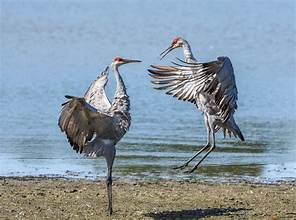
Common Cranes

By RasmaSandra
@RasmaSandra (101279)
Daytona Beach, Florida

January 1, 2026 3:19pm CST
Common cranes are social birds and can form flocks of up to 400 individuals during migration. These birds are active during the day, spending many hours looking for prey. They are found in the northern parts of Europe and across the Palearctic to Siberia. Common cranes are omnivores and eat plant matter, including roots, rhizomes, tubers, stems, leaves, fruits, and seeds.
Got to admire how they dance when courting
Your browser isn’t supported anymore. Update it to get the best YouTube experience and our latest features. Learn moreRemind me later
10 people like this
9 responses

@Nakitakona (60255)
• Philippines
2 Jan
We see a lot them here especislly at the newly.prepsred rice field or sugarcane field. They flew back from where they temporarily stated in a group.
They're white in color and they migrate here in our country during Christmas season.
2 people like this
@RasmaSandra (101279)
• Daytona Beach, Florida
2 Jan
@Nakitakona that is interesting and how nice you can get to see them
1 person likes this
@Nakitakona (60255)
• Philippines
2 Jan
@RasmaSandra I enjoyed watching them especially when they're flying in group.
1 person likes this

@RasmaSandra (101279)
• Daytona Beach, Florida
1 Jan
@AmbiePam and they make such funny noises,
2 people like this

@RasmaSandra (101279)
• Daytona Beach, Florida
2 Jan
@wolfgirl569 they look so graceful with this long legs and big wings,
1 person likes this

@RasmaSandra (101279)
• Daytona Beach, Florida
2 Jan
@franxav I love the graceful look of these birds

@RevivedWarrior (3852)
• India
2 Jan
Definitely agree. Common cranes are truly impressive birds, especially because of their strong social nature during migration. Seeing flocks that can be in the hundreds must be an unforgettable sight. Their daytime activity shows how much energy they devote to feeding and survival. Living across northern Europe and stretching all the way to Siberia highlights their remarkable adaptability. Their omnivorous diet, ranging from roots and tubers to fruits and seeds, helps them thrive in diverse environments. They seem perfectly designed to make use of whatever the landscape offers. Beyond their habits and range, their behaviour is what really stands out. The courtship dances are full of grace, jumps, and synchronized movements. You can’t help but admire how expressive and almost joyful those dances appear. Guess there are more to learn from them.
1 person likes this
@RasmaSandra (101279)
• Daytona Beach, Florida
2 Jan
@RevivedWarrior love to see their graceful movies,
1 person likes this

@valherma00 (5754)
• Zagreb, Croatia (Hrvatska)
2 Jan
i think i saw them in some chinese paintings as they signify good things, i think. they are also used in some chinese poems.
1 person likes this
@RasmaSandra (101279)
• Daytona Beach, Florida
2 Jan
@valherna00 I love how graceful these bird look
1 person likes this

@RasmaSandra (101279)
• Daytona Beach, Florida
2 Jan
@jstory07 as they say beauty in white
1 person likes this

@RasmaSandra (101279)
• Daytona Beach, Florida
2 Jan
@JudyEv sort of like a bird ballet
1 person likes this

@RasmaSandra (101279)
• Daytona Beach, Florida
3 Jan
@LindaOHio You're welcome and so do I.
1 person likes this