

Insulated nesting boxes for cockatoos

By Judy Evans
@JudyEv (381760)
Rockingham, Australia

February 5, 2026 6:26pm CST
Many of Australia’s native creatures are being threatened with extinction. One of the reasons numbers are declining is because of the loss of habitat and food.
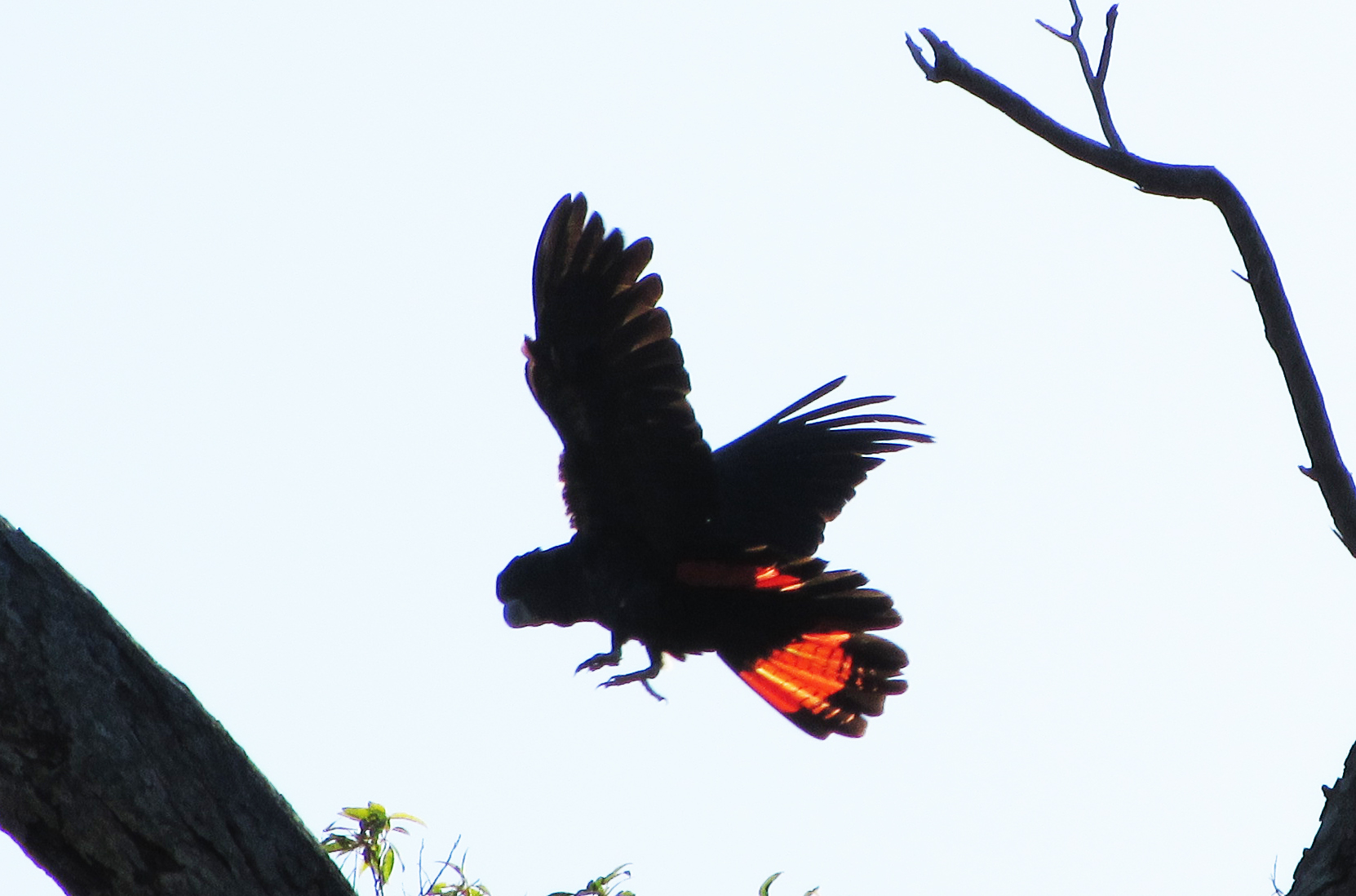
In the case of the glossy black cockatoo population on Kangaroo Island off South Australia’s coast, conservationists have been supplying nesting boxes for the birds. Glossy black cockatoos are a subspecies and have a wide and broader beak to better feed on the seeds of the drooping she-oak.
Numbers were down to around 150 in the 1990s. As well as supplying nesting boxes, researchers placed tin around the base of trees and trimmed canopies to deter predation by possums. It’s estimated that 80% of breeding pairs use the boxes to raise their chicks. However, the increasing number of hot days means the eggs are susceptible to ‘cooking’. Work is now being done on how best to insulate the boxes given he birds’ penchant for chewing whatever is around. Dozens of drooping she-oak seedlings are being planted to provide more foraging for the birds.
We used to see red- and white-tailed cockatoos in Donnybrook. Very occasionally, I hear white-tails here in Perth. The photo is mine.
12 people like this
11 responses


@DaddyEvil (174208)
• United States
6 Feb
It's a lovely bird. I hope they can help them come back.
2 people like this
@DaddyEvil (174208)
• United States
6 Feb
@JudyEv A lot of animals are having problems with the way the climate is changing... Maybe the climate controlled nesting boxes will point the way to move forward and help other animals, too.
1 person likes this

@Fleura (34927)
• United Kingdom
6 Feb
I hope they can come up with a solution - but you have to ask how long this will go on. I mean will people have to keep installing nestboxes for cockatoos for ever?
It's the kind of question I wonder about with the toad patrol. Obviously it isn't a permanent solution. Will I have to do this every spring for the rest of my life? Will my children and grandchildren be doing the same?
1 person likes this
@JudyEv (381760)
• Rockingham, Australia
6 Feb
Good questions and I guess for the moment the answer is yes, they will have to do it for the foreseeable future. With these cockatoos, they're planting the trees they need so perhaps once those trees mature then more food and more nesting places will become available.
1 person likes this

@Ineeddentures (33873)
•
6 Feb
Well Aussie Parakeets are reall doing well in England
I couldn't believe when I looked up to phone line and there were at least 50 Rose Ringed Parakeets and some Kakarikis perched there.
I know my birds, before we moved here I had kept Parrots for 20 years
2 people like this
@Ineeddentures (33873)
•
6 Feb
@JudyEv
We do miss them, no doubt about that..
I don't think the dust etc the birds created was good for Yvonne's lungs though
1 person likes this
@JudyEv (381760)
• Rockingham, Australia
7 Feb
@Ineeddentures I can believe that for sure. 
1 person likes this

@snowy22315 (208746)
• United States
6 Feb
Interesting. I didn't know they had lblack cockatoos. How much ave their numbers increased?
1 person likes this

@wolfgirl569 (135583)
• Marion, Ohio
6 Feb
Hope they can find a way to keep the boxes cooler
1 person likes this

@DianneN (254949)
• United States
6 Feb
I hope a new form of insulation can be found.
We had the same problems with ospreys. In the 80s and 90s they were dying off due to chemicals. Since these chemicals have been banned, the ospreys are flourishing both here in Florida and in Connecticut.
1 person likes this

@LindaOHio (222222)
• United States
7 Feb
I hope the birds will begin to thrive.
1 person likes this

@misunderstood_zombie (8765)
• United States
6 Feb
I didn't know cockatoos were endangered. sometimes, I see videos of them reeking havoc on people's houses, and there looks to be so many of them. I'm glad the boxes are somewhat helping, and hopefully the insulation will help.
1 person likes this
