sign in • sign up
web | myLot | discussions | blogs | news | photos
homeinterestsdiscussionsblogsnewsmessages friendsphotosearningsmyLot

premature birth

sponsored results  (advertise with us)


photo results

Premature birth

Premature birth (also known as preterm birth) is the birth of a baby before the standard period of pregnancy is completed. In most systems of human pregnancy, prematurity is considered to occur when the baby is born sooner than 37 weeks after the beginning of the last menstrual period (LMP). The opposite condition, postmature birth, is defined as birth more than 42 weeks after the LMP. The standard length of a human gestation is 266 days. However, for convenience most timing is based on the LMP, with conception being assumed to occur approximately 14 days after the LMP, making a standard term pregnancy 280 days or 40 weeks. Premature or preterm birth (the babies are called premies) is defined medically as childbirth occurring earlier than 37 completed weeks of pregnancy. Approximately 12 percent of babies in the United States — or 1 in 8 — are born prematurely each year. In 2003, more than 490,000 babies in the U.S. were born prematurely. Worldwide rates of prematurity are more difficult to obtain as the lack of widespread professional obstetric care in developing regions makes determination of gestational age less reliable. The World Health Organization instead tracks rates of low birth weight, which occurred in 16.5 percent of births in less developed regions in 2000. It is estimated that one-third of these low birth weight deliveries are due to premature delivery. The shorter the term of pregnancy, the greater the risks of complications. Infants born prematurely have an increased risk of death in the first year of life (infant mortality), with most of that occurring in the first month of life (neonatal mortality). Worldwide, prematurity accounts for 10% of neonatal mortality, or around 500,000 deaths per year. In the U.S. where many infections and other causes of neonatal death have been markedly reduced, prematurity is the leading cause of neonatal mortality at 25%. Prematurely born infants are also at greater risk for developing serious health problems such as cerebral palsy, chronic lung disease, gastrointestinal problems, mental retardation, vision or hearing los and are more susceptible to developing depression as teenagers. Although there are several known risk factors for prematurity (see below), nearly half of all premature births have no known cause. When conditions permit, doctors may attempt to stop premature labor, so that the pregnancy can have a chance to continue to full term, thereby increasing the baby's chances of health and survival. However, there is currently no reliable means to stop or prevent preterm labor in all cases. In fact, the rate of preterm births in the United States has increased 30% in the past two decades. In developed countries premature infants are usually cared for in a Neonatal Intensive Care Unit (NICU). The physicians who specialize in the care of very sick or premature babies are known as neonatologists. In the NICU, premature babies are kept under radiant warmers or in incubators (also called isolettes), which are bassinets enclosed in plastic with climate control equipment designed to keep them warm and limit their exposure to germs. Modern neonatal intensive care involves sophisticated measurement of temperature, respiration, cardiac function, oxygenation, and brain activity. Treatments may include fluids and nutrition through intravenous catheters, oxygen supplementation, mechanical ventilation support, and medications. In developing countries where advanced equipment and even electricity may not be available or reliable, simple measures such as kangaroo care (skin to skin warming), encouraging breastfeeding, and basic infection control measures can significantly reduce preterm morbidity and mortality. "Ex-premies" is the term given to preterm infants born before the normal 37 weeks gestation.

Uploaded by tirtha9 (432) • 2 months ago
Tags: premature birth

tirtha9
(432)


Premature Baby

My daughter who was born 12 weeks early at 2 lbs 1 1/2 ozs.

Uploaded by dayzz25 (340) • 1 year ago
Tags: premature birth, babies

dayzz25
(340)


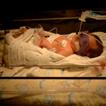
My daughter in NICU

My baby girl sick in the NICU at the Children's Hospital on the respirator and feeding tube.

Uploaded by chaygylmommy (1825) • 2 years ago
Tags: nicu, premature birth, respirator

chaygylmommy
(1825)