Explore
Top Rated Discussions
Most Recent Discussions
Most Recent Activity
Hot Discussions
New User Discussions
Discussions w/ No Response
Help
FAQ
Earnings Program
Community Guidelines
Contact
Sign Up!
Log In
Search
Tagged Discussions
Tagged Responses
Tagged Comments
Tagged All Activity
Users
Full Text Discussions
Full Text Responses
Full Text Comments
Full Text All Activity
X
tomato sauce
Tagged Discussions
Rice and pilchard for tea ….
Traceyjayne
@Traceyjayne
(11529)
•
United Kingdom
19 Feb
So, thank you for your suggestions for my tea. I decided on rice and pilchard. I had plain boiled rice with tinned pilchard, in tomato sauce. Oh my days, I haven’t had that for years, but it was delicious. I had forgotten just how...
pilchard
boiled rice
tomato sauce
help
tea
5 responses
•
5 people
The sauce is done but the meatballs will have to wait.
marguicha
@marguicha
(230365)
•
Chile
8 Jul 24
After I read online all about he history of meatballs and the first cookbook, of course I was late to actually do all I needed to do. So I put away in the fridge the meat (how I love those plastic wraps!) but as I had the onion...
tomato sauce
mylotting
6 responses
•
7 people
Walmart super buys today
Krissttina Isobe
@oahuwriter
(26773)
•
United States
29 Aug 22
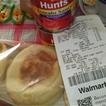
Just home, from Walmart! Unbelievable buts I've come across today!!! Hunt's Tomato Sauce Roasted Garlic Flavor, .25 a can!!! English Muffin, just 1.50!!! I was searching for Roasted Chickpeas, couldn't find them. While searching...
walmart
english muffin
tomato sauce
searching
unbelievable
7 responses
•
7 people
Halfway through work.
marguicha
@marguicha
(230365)
•
Chile
5 Jun 21
I diced 4 small onions. I bought a dicer but it did not work so it is knife and hands. I placed them in a wok to caramelize with garlic and bay leaves. When they were ready I added the ground meat. I´m glad I did not make meat...
kitchen chores
tomato sauce
11 responses
•
12 people
If you could come to my house... the sauce
marguicha
@marguicha
(230365)
•
Chile
28 Mar 20
You would beg me for my tomato sauce recipe. The while house smells like heaven. I added some dry mushrooms, a bit of red wine and diced red sweet pepper. It is now slowly simmering while I mylot. Claudia called me and Tania...
tomato sauce
23 responses
•
22 people
The onions are caramelizing. The tomato sauce.
marguicha
@marguicha
(230365)
•
Chile
28 Mar 20
After the caramelizing on the onion, I added the diced tomatoes and leave them simmering while I mylot. There they are. I brought some green olives to munch while I decide what to have for lunch. There will be the...
tomato sauce
lunch
12 responses
•
10 people
I´ll add some meatballs to the tomato sauce.
marguicha
@marguicha
(230365)
•
Chile
22 Jun 18
I had made a delicious tomato sauce for Andrés, but yesterday Claudia came and we ate part of it. So I checked online for an easy meatball recipe and I´ll add some meatballs to the tomato sauce I made. I´ll serve it with pasta as...
meatballs
tomato sauce
pasta
8 responses
•
4 people
BreakFAST!
ingrid
@ridingbet
(66854)
•
Philippines
6 Apr 18
Good Saturday morning to all users, or happy Friday evening to the other side of the planet. My sister got up of bed ahead of me and she prepared our breakfast. She prepared spaghetti for the 3 of us, and there are no special...
spaghetti
tomato sauce
food
sibling
7 responses
•
4 people
Do you call it Sauce or Gravy?
Alfredo Rossi
@amadeo
(111937)
•
United States
8 Sep 16
Good afternoon.Quiet day here.While I was making my tomato sauce and thinking that there was a dispute on this. I call my tomato sauce and not gravy.Most Italians call it gravy. When I think of gravy something that goes on mashed...
personal
gravy
tomato sauce
food
46 responses
•
40 people
Busy,busy this morning.But a fun busy
Alfredo Rossi
@amadeo
(111937)
•
United States
8 Sep 16
Good afternoon.I have been a busy man most of the morning. Went to the club.Did some weeding for them.Then at nine had P.T. then home.Making tomato sauce and a dozen or so meatball. This is the first time that I use the pork and...
personal
tomato sauce
meatballs
food
11 responses
•
11 people
Shall I add some rosemary?
marguicha
@marguicha
(230365)
•
Chile
26 Apr 16
Hi dear lotters, although I cannot talk about morning. It is noon again. Yesterday, thanks to you, I made my 30 cents. Today I wanted to come here earlier but "man proposes..." I called my cousin, the one I invited to come with...
cooking
chicken on tomato sauce
tomato sauce
kitchen
visitors
5 responses
•
3 people
I'm half-baked and my husband is getting sauced
AbbyGreenhill
@AbbyGreenhill
(45490)
•
United States
11 Jan 16
That doesn't sound very good now does it? Those two statements could be translated in several ways. I guess it depends on where your mind leads you. Let me set the record straight. My plan was to bake a cake and I put it in the...
half baked
sauce
home made
cake
tomato sauce
12 responses
•
15 people
Green beans and meat - so simple, but so good!
Wendy
@jerzgirl
(9384)
•
United States
12 Oct 15
My daughter decided to cook dinner tonight. We had some ground beef and plenty of green beans (she prefers French style) and tomato sauce. But, we didn't have any potatoes. We usually have fried potatoes with this, so we just ate...
dinner
ground beef
hamburger
green beans
tomato sauce
1 response
•
1 person
No Peel Tomato Sauce and Grinding Peppers Weekend
Patti Williams
@pattisw
(50)
•
Flushing, Michigan
22 Aug 15
I have been drying cayenne peppers in the sun for the last couple weeks. I have enough of them dried now,although there are many still growing,to start grinding them. We use a lot of red pepper flakes for seasoning so I decided to...
tomatoes
tomato sauce
hot peppers
garden bounty
1 response
•
1 person
Just Had a Buffet of Pasta
AQDGVal2013
@Adval2013
(436)
5 Apr 13
Who wouldn't want a pasta a day? Moreover, who would not want a buffet of pasta once in a while? Today, we decided to try another Italian cuisine which is actually popular here. It's an affordable buffet consisting of a variety of...
pasta buffet
penne
pesto
spaghetti
spaghetti sauce
tomato sauce
tuna pasta
veggie pasta
white sauce
3 responses
•
1 person
how to prepare plain dosa (rice and lentil creps)
arpitshukla99
@arpitshukla99
(84)
•
India
21 Sep 12
Ingredients to serve 4 to 6 people 4 cup rice. 2 cup urad dal (white lentil) salt to taste oil Preparation : wash and soak rice and dal separately for 5 hours. Grind rice into a thick fine paste with water. grind dal,...
coconut
dosa
food
indian food
sauce
tomato sauce
Making your own food items vs using store bought canned/jarred items
sedel1027
@sedel1027
(17846)
•
Cupertino, California
24 Jul 12
Today one of the things I did was make homemade vegetable stock. We have a juicer so we keep all of the pulp plus I keep odds and ends of evegtable - celery, onion, garlic, mushrooms, ect - to make vegetable broth with. Today's...
food
tomato sauce
vegetable stock
3 responses
•
1 person
Wish there was an economical no salt added tomato sauce
stealthy
@stealthy
(8181)
•
United States
29 Mar 12
A local store frequently has 8 oz cans of regular tomato sauce on sale for $0.25 a can. I have gotten to where I eat two cans a week mixed in with the green beans that I have at lunch. But now my blood pressure is a little high...
no salt added tomato sauce
tomato sauce
3 responses
Our Two Outside Dogs
CatsandDogs
@CatsandDogs
(13963)
•
United States
1 Feb 11
Got sprayed by a skunk! They're both inside a fence but somehow a skunk was able to spray them! Oh the smell is awful! I guess it must've came too close to the fence and the dogs went to check it out and that's how they got...
dogs got sprayed by a skunk
stinky skunk
tomato sauce
11 responses
•
7 people
good sauces
ducja1
@ducja1
(107)
•
United States
5 Jul 10
what are some good alternatives to straight tomato sauce and if anyone has any good recipes it would be great thanx myloters!
pasta
sauce
spagettie
tomato sauce
2 responses
•
1 person