

It Depends On the Language

By RasmaSandra
@RasmaSandra (102631)
Daytona Beach, Florida

November 21, 2026 3:40pm CST
I just recently spoke to someone who didn’t speak English very well, and it was quite difficult to understand her. It then dawned on me that there are people who attempt to translate what they want to say in English first in their own language. That never works very well because very few sentences can be translated directly. Instead, they should be translated the correct way in your own language so that the other person can understand the meaning. By now you are probably more confused than ever before, so let me give you some examples.
Feeling Like a Sausage
When I still lived in New York, my mom worked not far from where we lived so she had the time to make me a sandwich to have for breakfast before she went to work. One morning she had left me a sausage sandwich. We spoke Latvian at home so I often got my English mixed with my Latvian. That morning I was thinking in English and wanted to leave Mom a note telling her why I didn’t eat the sandwich.
In English it is alright to say, “I don’t feel like having sausage today." In Latvian it is a disaster, and when Mom came home, she found a note that told her that I didn’t feel like a sausage that day. Well, she understood, and it became like a little joke between us, but you see, direct translation doesn’t work. In Latvian I should have written that I wasn’t up to eating a sausage sandwich that morning.
When a Piece of Cake Becomes a Piglet
Well, that example was easy to understand, and Mom and I got a laugh out of it but the next one is even better. This involved a little boy whose babysitter had brought him some cake. His parents had gone out, and when he went to bed, he decided to leave a note for his parents that there was some cake left in the fridge. Another child like me, who was always getting languages mixed up.
He was thinking in English and writing in Latvian, so the note said, “Cucina ir ledusskapi”. Translating this from Latvian to English, it says, “The piglet is in the fridge." You can imagine his parents’ faces when they read the note before they opened the fridge. You know that in English the word he wanted to write was cake however in Latvian the word is kuka. So in Latvian you begin the word for cake with a k. Plus he made the word cake as an endearment term and so he wound up with a piglet in the fridge. You can be sure that this was a number one topic among parents talking about their kids at parties, and everyone could have a great laugh.
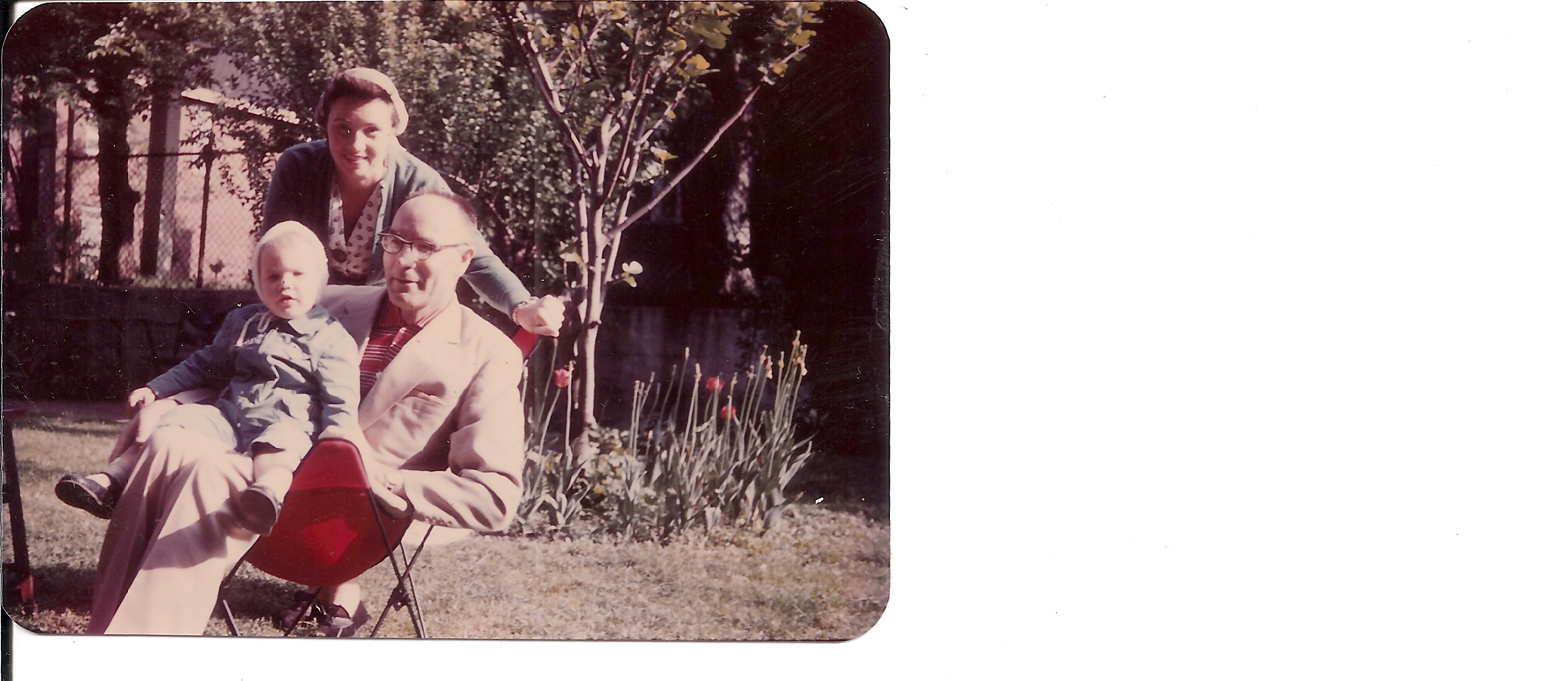
Photo of my mom, dad, and me
8 people like this
7 responses


@RasmaSandra (102631)
• Daytona Beach, Florida
22h
@AmbiePam so glad I have these memories and was able to get some of the photos into the PC.
3 people like this

@celticeagle (196431)
• Boise, Idaho
19h
That piglet would be an odd one for the parents to get. How funny. I love language and listening to certain ones is so interesting.
2 people like this

@LeaPea2417 (40116)
• Toccoa, Georgia
1h
That is funny. One thing learners of English have trouble with are the words that sound alike but have different meanings like: know & no, and there & their etc.


@sallypup (70086)
• Centralia, Washington
17h
That's a very nice photo. Sometimes it's just being young that mistakes happen. When one of my nieces was young, she wanted an after school snack. Her Mom was busy talking on the phone. Niece left her a note that said: "Can I have an after school snake?"


@JudyEv (392169)
• Rockingham, Australia
17h
That's a lovely photo. I had to laugh at your examples. It's easy to get things wrong when you're learning a language.