Explore
Top Rated Discussions
Most Recent Discussions
Most Recent Activity
Hot Discussions
New User Discussions
Discussions w/ No Response
Help
FAQ
Earnings Program
Community Guidelines
Contact
Sign Up!
Log In
Search
Tagged Discussions
Tagged Responses
Tagged Comments
Tagged All Activity
Users
Full Text Discussions
Full Text Responses
Full Text Comments
Full Text All Activity
X
festival of lights
Tagged Discussions
Source of brilliance
Nocturnal Writer
@Nakitakona
(59987)
•
Philippines
15 Dec
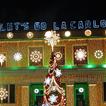
Our small city of La Carlota was in the limelight last night. It was the 2025 opening of annual Festival of Lights and Music to usher the Birth of Jesus. "The opening of Christmas Festival of Lights and Music honors the true...
festival of lights
5 responses
•
5 people
Happy diwali to everyone
Dr Souvik Chatterji
@sathviksouvik
(23263)
20 Oct
I wish happy diwali the festival of lights to everyone. Diwali is the festival where people clean their houses create rangoli with colours put new curtains and light up candles and diyas because it is the festival of lights. Both...
diwali
festival of lights
3 responses
•
3 people
Deepawali
Always smiling
@allknowing
(153529)
•
India
31 Oct 24
India is celebrating Deepawali - festival of lights. It is supposed to be festival of lights but what we experience is crackers - louder the better - louder an indication that you are richer than others. While we were living in...
deepavali
festival of lights
5 responses
•
7 people
From Dhanteras hindus start cleaning up the room
Dr Souvik Chatterji
@sathviksouvik
(23263)
28 Oct 24
For the Hindus in India, Diwali is the festival of lights. It is the time Hindu Lord Ram defeated Ravana and returned back to Ayodhya to continue his rule and he celebrated diwali. Bengalies also have kalipuja that is puja of...
hindus
diwali
festival of lights
lord ram
ravana
2 responses
•
2 people
What a wonderful festival of Lights
Nocturnal Writer
@Nakitakona
(59987)
•
Philippines
18 Dec 23
Recently our small city has officially opened her annual festival of lights and music. Our humble, religious city mayor has turned on the ceremonial switch. Many people in all walks of life have crowded the public plaza...
festival of lights
3 responses
•
3 people
The Diwali 2021 Tales : A short talk
Ptrikha_2
@ptrikha_2
(49775)
•
India
5 Nov 21
For those who are tend to keep a note of my daily arrivals and departures on Mylot (I wonder if any !! LOL) might have noticed my absence yesterday. So yesterday was the Diwali Day. The Day of the Festival of...
short talk
diwali 2021
festival of lights
6 responses
•
7 people
Happy Diwali to Everyone!!!
Rashna Gandhi
@Rashnag
(30597)
•
Surat, India
4 Nov 21
Hi guys, Hope you all are doing good. I am doing good too. Today is the festival of Diwali celebrated in India. Many decades ago, when lord Rama had returned from the forest to his home, the...
diwali
festival of lights
yummy sweets
firecrackers
celebration
9 responses
•
8 people
2020 Festival of Lights Opening
Nocturnal Writer
@Nakitakona
(59987)
•
Philippines
15 Dec 20
A simple but memorable opening of our city Festival of Lights was officially declared by the good City Mayor at the public plaza yesterday, Monday. All trees in the public plaza were illuminated by the glistening, sparkling...
festival of lights
19 responses
•
19 people
Festivals of Lights
Always smiling
@allknowing
(153529)
•
India
27 Oct 19
It is Deepavali today - festival of lights. Sadly people burst crackers along with sparklers and other fire works. This year however the government has put in restrictions about crackers and the public seem to abide by this...
deepavali
festival of lights
6 responses
•
7 people
On the 1st day of diwali Hindus eat 14 spinach.
Dr Souvik Chatterji
@sathviksouvik
(23263)
26 Oct 19
On the 1st day of Diwali, the festival of lights Hindus eat 14 types of spinach namely palak, lal sakh, kolmi sakh, pui sakh, methi sakh, to name a few. During this time of the year after the monsoon the bacteria and other germs...
diwali
festival of lights
hindus
spinach
palak
4 responses
•
3 people
Countdown to Diwali(Or Deepavali)(Festival of Lights)- just a week to go!
Ptrikha_2
@ptrikha_2
(49775)
•
India
20 Oct 19
So it is just a week to 27th October, when we have our Festival of Lights- Diwali, or Deepavali, which literally translates into the Festival of Lamps or Lights. This is the most important festival of Hindus, and is celebrated not...
diwali time
deepavali
festival of lights
house cleaning
festive occasion
2 responses
•
3 people
The 5 day festival of lights begin with Dhanteras.
Dr Souvik Chatterji
@sathviksouvik
(23263)
6 Nov 18
Dhanteras is the beginning of 5 day Deepawali festival. It is the festival of lights. There was mythological story that prince Hima was given astrological saying that on throyodoshi, 13th day of Kartik he was going to die and...
dhanteras
deepawali
festival of lights
hima
snake
Distribution Started in India....
s sivasubrahmanyam
@shivamani10
(11035)
•
Hyderabad, India
5 Jul 16
As the season is changing in India. Rains are picking up followed by a small decrease in the night temperatures. It continuous slowly and reaches a maximum during the 'FESTIVAL OF LIGHTS " which is also known by the name DIWALI ....
festival of lights
distribution of blankets
fear of god
change in the mentality of the people
Festival of Traffic
AmberLynn
@ScribbledAdNauseum
(104615)
•
United States
5 Dec 15
That is what I call the light show that is across from where I work. It's technical term is "Festival of Lights" but meh... The traffic isn't really a problem for me since I work third shift, usually the traffic is cleared out...
festival of lights
festival of traffic
1 response
•
3 people
the festival of lights....
ashvan1989
@ashvan1989
(7)
•
India
16 Oct 09
Diwali is considerd one of the most auspicious festival all over india.It is celebrated by all castes,all people irrespective of their religion.They celebrate for a week making sweets and distributing them among neighbours and...
deepavali
diwali
festival of lights
india
Going Home on Diwali Holidays..........
reyasmi
@reyasmi
(125)
•
India
16 Oct 09
Hai All Mylotters,I am from India. Here we have festival called Diwali. And now I am packing for journey to my home. I am currently hearing sounds of crackers nearby. I wish all mylotters a very very Happy Diwali.......... And...
diwali
festival of lights
indian festival
1 person
a happy diwali to all our hindu mylotters. ! ! !
JUNGLE
@JUNGLE
(1157)
•
South Africa
27 Oct 08
May I take this opportunity in wishing all MyLotters of the Hindu Faith a joyous and prosperous Diwali,with very much Luck and $uccess in the future.
diwali
festival of lights
lamps
Happpppy Diwali to all!!!!!!!!!!!!
shankari_prabhu
@shankari_prabhu
(321)
•
India
24 Oct 08
Diwali is here........One of the biggest Indian festivals...How do u celebrate it? Wat are your plans??? If you do not celebrate diwali...wat do u celebrate???? Have a safe and happy Diwali Folkssssssssssssss.
festival of lights
festivals
indian festivals
3 responses
•
1 person
Diwali is here
SViswan
@SViswan
(12051)
•
India
6 Nov 07
I realized that most of the mylotters might not know what Diwali is. Of course, most of us in India celebrate it and countries where there are a people of Indian origin celbrate it too. For those of you who do not know, Diwali is...
deepavali
diwali
festival
festival of lights
india
noise pollution
7 responses
Christmas festival no place of The Nativity?
Mommamea
@Mommamea
(1215)
•
United States
28 Nov 06
Can anyone give me a good reason why those who appose Christ would participate in a Christmas festival? Christ is the 6 letters in Christmas. I read this in the news where the city of Chicago has asked the organizers of a downtown...
beliefs
chicago
christ
christmas
festival
festival of lights
news
opinions
the nativity
what next
2 responses
•
1 person