Explore
Top Rated Discussions
Most Recent Discussions
Most Recent Activity
Hot Discussions
New User Discussions
Discussions w/ No Response
Help
FAQ
Earnings Program
Community Guidelines
Contact
Sign Up!
Log In
Search
Tagged Discussions
Tagged Responses
Tagged Comments
Tagged All Activity
Users
Full Text Discussions
Full Text Responses
Full Text Comments
Full Text All Activity
X
freedom of speech
Tagged Discussions
Should we not restrict the freedom of speech to control hate speeches?
Anish Asokan
@RevivedWarrior
(3853)
•
India
6 Sep 24
Freedom of speech or Freedom of expression is a fundamental human right that is provided in most countries allowing people to express their opinions, ideas or beliefs without the fear of repercussion. Freedom of speech promotes...
freedom
speech
restriction
freedom of speech
freedom of expression
3 responses
•
3 people
Where Do We Fit in Society?
Shiva
@Shiva49
(28390)
•
Singapore
30 Aug 22
We are all part of society wherever we are from. It is a challenge not only to fit in but also to play a meaningful role. Most of us enjoy the freedom of speech and can exchange ideas without fear. There are of course limits...
society
meaningful role
freedom of speech
politics
self preservation
14 responses
•
14 people
Sail again Captain Jack Sparrow
Patricia Ocampo
@iKONICNoona
(4403)
•
Philippines
3 Jun 22
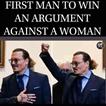
Saw this online for days now. He is actor Johnny Depp the actor of the Pirates of the Caribbean. He just won a court battle against his former wife fellow actress Amber Heard. Their court hearing was televised and mixtures...
johnny depp
amber heard
freedom of speech
court hearing
5 responses
•
5 people
Social Media "Experts" on Current Events
Diana B.
@BloggerDi
(3121)
•
United States
12 May 20
I think freedom of speech is a wonderful thing. I defend it even when people say and write things I disagree with, or share their opinions in rude, arrogant ways. But I don't appreciate or respect that approach. I'm referring to...
social media
anger
judgmental
politics
freedom of speech
6 responses
•
6 people
What does free speech mean to you and where do you draw the line.
babytaffster
@babytaffster
(2238)
•
Chatsworth, California
24 Apr 20
Probably not the best title (but it caught your attention, didn’t it) Let me explain what I mean. The first amendment gives us one of the most important rights we have, the ability to speak freely. However people use that right as...
freedom of speech
1st amendment
talking
2 responses
•
1 person
Should social Media Have Restrictions On Speech?
BusyBoss
@Luap1050
(878)
11 Sep 18
A great article in the New York times revisits the topic of internet censorship - specifically social media...
social media
censorship
freedom of speech
broken laws
4 responses
•
2 people
Project Veritas exposing harassment of Trump supporters by the "tolerant" Left
Con Volines
@ConVolines
(1449)
9 May 18
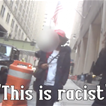
Project Veritas sent a black undercover journalist to walk the streets of Manhattan for 10 hours, wearing a Trump tee-shirt and a MAGA hat. Liberals cry wolf about Trump attacking their free speech, but it is liberals attacking...
project veritas
freedom of speech
harassment
5 responses
•
4 people
Watching our Society Crumble
beckish
@beckish
(641)
•
United States
9 Apr 18
In my 56 years I have seen many changes in society. As time goes by things evolve and people change, believing in different things in middle age than they did when they were younger. What I see now I find very disturbing and it...
society
future
freedom of speech
respect
5 responses
•
4 people
Freedom of Speech!..
Mohit Arora
@mohit459
(12564)
•
Haldwani, India
7 Apr 18
Freedom of speech is one of the most important right of any citizen of any nation!. But what would be your reaction when you don't have Freedom of Speech.. I think off course you all will be a bit worried if you don't have...
nation
freedom of speech
worried
4 responses
•
1 person
Does Freedom of SPEECH give us right to ofend?
Nature_Lover
@Mshafeeq
(2746)
•
Kuwait, Kuwait
10 Jan 18
Free speech means liberty of saying things which are or offensive to others, of course it has to be limit. A person who is giving a speech should keep in mind his words may give rise to lot of people or may inspire lot of...
freedom of speech
hate speech
meaning full words
2 responses
•
1 person
Do You Believe in Free Speech and Peaceful Protest?
Deborah-Diane
@DeborahDiane
(40849)
•
Laguna Woods, California
26 Sep 17
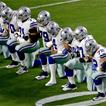
Having become adults during the 1960s and 1970s, most members of the Baby Boomer generation have very strong feelings about our First Amendment rights of Freedom of Speech and our Rights to Assembly and Peacefully...
take a knee
freedom of speech
bill of rights
9 responses
•
10 people
So It's A "Fireable Offense" to Criticize Trump???
anniepa
@anniepa
(27955)
•
United States
14 Sep 17
ESPN's Jemele Hill recently tweeted - quite accurately in my opinion - that Donald Trump is a “white supremacist who has largely surrounded himself w/ other white supremacists.” The network needlessly - again in my opinion -...
freedom of speech
donald trump
sarah huckabee sanders
espn
jemele hill
3 responses
•
2 people
Indian journalist shot dead in Bangalore
cmoneyspinner
@cmoneyspinner
(9218)
•
Austin, Texas
6 Sep 17
I believe in freedom of speech and I especially believe in journalistic freedom. I was already upset because Al Jazeera journalists were being silenced. Now I hear this report about Gauri Lankesh and I am spitting fire!!! Were...
democracy
india
freedom of speech
politics
freedom for journalists
9 responses
•
6 people
When is Freedom of Speech become Disrespectful?
staycyde
@stacysdeadright
(232)
•
United States
28 Mar 17
Here in the states people feel that respect is earned. Some may even go as far as to say that politically correctness gives too much respect where it hasn't been earned. Does Freedom of Speech give us the right to disrespect...
freedom of speech
constitutional rights
1 response
•
1 person
Not So Grand Anymore
ElizabethWallace
@ElizabethWallace
(12069)
•
United States
1 May 16
I received an email from my library telling me that a set of DVDs that I had on hold had arrived. I drove over there just after noon. When I pulled my car out of my neighborhood, a woman who had been stopped behind me at the right...
freedom of speech
crazy and obnoxious people
rude behavior
28 responses
•
28 people
Freedom of speech, freedom of religion, and crimes
vanny
@vandana7
(102698)
•
India
25 Feb 16
Every once in a while, people convert. Be it because they are disillusioned with their gods, or other members of their religion. Or perhaps they are impressed with others religion. Note that it is a rational choice, often as a...
inheritance
freedom of speech
religion
crimes
india
12 responses
•
12 people
Brand New To MyLot. Would Like To Introduce Myself
Temeka Thompson
@temeka1231
(10)
•
Conyers, Georgia
17 Nov 15
Hello, My name is Temeka, 34 years old wife and mother of 3 beautiful daughters. I am 1/2 Owner of my own business called Raw Urban Management & Entertainment, we specializes in Talent Management and Bookings, Real Estate...
new to mylot
networking
building friendships
socializing
freedom of speech
7 responses
•
6 people
I believe in the freedom of speech.
Arun Kumar
@arunmarix
(8)
•
Coimbatore, India
30 Aug 15
People who have a political point of view have every right to say it. No matter how vile this political belief may be, telling them they can not have it is thought control, and denotes discussion. Telling the country that the...
debate
freedom
freedom of speech
feminism
politics
1 response
•
1 person
"It's about who is older, not who is right." - Is that so?
hiamAJ
@hiamAJ
(25)
12 Apr 13
Of all things, I hate raising my voice. And I don't think that anyone should ever raise their voice just because they have something to say -- whether it's to defend themselves or whatever that may be. So, this kind of scenario...
adults
child
freedom of speech
life
parents
problems
respect
8 responses
•
1 person
Speek Freely While You Still Have Time
MoonGypsy
@MoonGypsy
(4605)
•
United States
23 Mar 13
it is a shame, but the only place you can go to have a free conversation about anything you want is facebook. why are we censoring each other online. for example, why do we do it here to one another. i have seen it so many times....
discussions
freedom of speech
mylot
social networks
5 responses
•
1 person